In today’s rapidly changing technological landscape, the integration of hardware components has become a pivotal aspect of enhancing system performance. The seamless combination of both physical and virtual elements not only supports uninterrupted operations but also introduces a wealth of benefits for both businesses and individuals alike. This article explores the significance of hardware integration and its considerable effect on system performance, while also emphasising the diverse advantages it provides.
Understanding the Importance of Hardware Integration for Optimal System Performance
Hardware integration involves the intricate process of merging a variety of physical components such as processors, memory modules, storage devices, and peripherals into a coherent and efficiently functioning system. This strategy fosters the collaborative interaction of hardware elements, enabling them to operate collectively and achieve maximum resource efficiency. Integration can occur at various levels, ranging from individual computer systems to the sophisticated hardware found within specific devices or advanced machinery.
The fundamental principle of hardware integration lies in its ability to unify disparate components within a system, facilitating effective communication and interaction among them. By synergising processors, memory modules, storage devices, and peripherals, organisations can construct a streamlined system that operates with outstanding efficiency, thereby maximising overall performance. This integration guarantees that each hardware component collaborates seamlessly, eliminating potential bottlenecks or inefficiencies that could obstruct system operations.
Boosting System Performance through Effective Hardware Integration Strategies

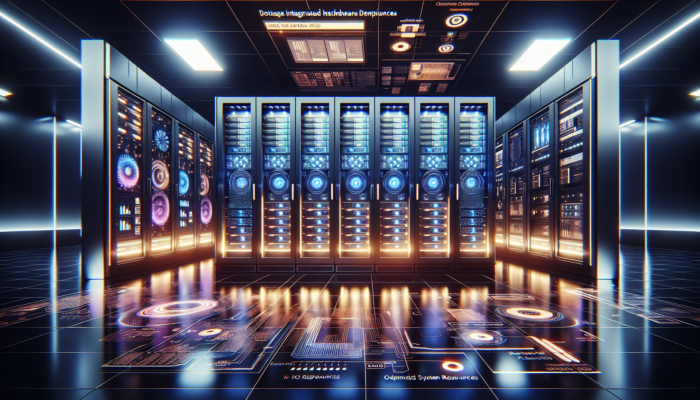
- Optimising Efficiency to Achieve Superior Performance: Through the integration of hardware components, organisations can reach a heightened level of efficiency in utilising system resources. This process entails optimising the hardware configuration, which enhances operational processes, mitigates bottlenecks, and ultimately leads to improved overall efficiency.
When hardware components are effectively integrated, they function in a unified manner, maximising the utilisation of system resources. By refining the hardware configuration, businesses can pinpoint and eliminate redundant components or processes that may hinder system operations. This careful management of resources not only boosts overall system performance but also significantly enhances productivity across various organisational functions.
- Enhancing Scalability to Support Future Growth: The integration of hardware equips systems with the essential flexibility to adapt capabilities in response to the evolving demands of the business environment. This adaptability ensures that the system can manage increased workload requirements without sacrificing performance.
Scalability is a critical component of system performance, especially in today’s fast-paced business climate. Hardware integration empowers organisations to readily adjust their systems as operational demands evolve. Whether it involves adding more processors, expanding memory capacity, or increasing storage capabilities, this integration provides the necessary flexibility to accommodate growing workloads while maintaining high performance levels.
- Minimising Latency for Accelerated and Efficient Operations: The integration of hardware components significantly reduces latency, facilitating quicker data processing and enabling real-time interactions. This reduction is particularly vital in applications such as online gaming, cloud computing, and financial trading, where even milliseconds can profoundly affect outcomes.
Latency refers to the delays experienced during data processing or transmission. In applications that require real-time interactions or rapid data processing, minimising latency is essential. By implementing effective hardware integration, system components can be optimised to reduce delays, thereby ensuring faster data processing. This aspect is especially relevant in sectors like online gaming, where even the slightest delay can detract from user experience and overall satisfaction.
- Enhancing Reliability through Redundant Systems: Hardware integration fosters the development of redundant systems, ensuring that the failure of one component does not result in total system failure. This heightened level of reliability reduces downtime and guarantees uninterrupted operations.
Reliability is essential for any system since unexpected downtime can lead to considerable financial losses and damage an organisation’s reputation. Hardware integration allows for the establishment of redundant systems, wherein backup components can seamlessly take over in case of a failure. By incorporating duplicate hardware elements, organisations can ensure continuous operation and significantly mitigate the effects of potential failures.
- Enhancing Security with Integrated Hardware Systems: Integrated hardware systems can offer advanced security features such as hardware-level encryption and secure boot processes. These features provide an additional layer of protection for sensitive data, significantly lowering the risk of unauthorised access and cyber threats.
Security remains a paramount concern for businesses regarding their systems and sensitive data. Hardware integration bolsters security measures by incorporating features such as hardware-level encryption, secure boot processes, and built-in security protocols. These protective measures add an extra layer of defence to safeguard sensitive information, making it increasingly challenging for unauthorised individuals to gain access or execute malicious attacks.
Essential Factors to Consider for Achieving Successful Hardware Integration
To fully harness the potential of hardware integration and realise optimal system performance, several critical considerations must be taken into account:
1. How to Ensure Compatibility and Interoperability Among Components
When integrating hardware components, it is crucial to verify compatibility and interoperability among the various elements. Mismatched components or incompatible interfaces can hinder performance and lead to system malfunctions. Conducting thorough compatibility testing and adhering to industry standards are essential to mitigate such issues.
Compatibility and interoperability are vital factors during the hardware integration process. It is imperative to confirm that the diverse hardware components can function together seamlessly. Conducting extensive compatibility testing and adhering to established industry standards can significantly reduce the likelihood of encountering problems arising from incompatible components or interfaces.
2. How to Achieve Efficient Resource Allocation for Balanced Performance
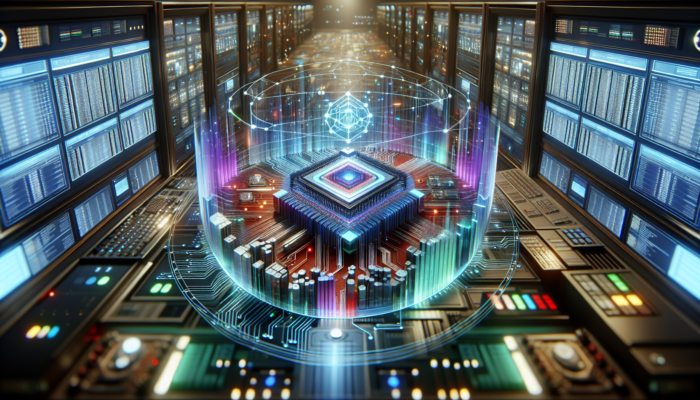
Effective resource allocation is fundamental to achieving optimal system performance. By carefully analysing workload requirements and distributing resources accordingly, organisations can prevent resource bottlenecks and ensure balanced utilisation across the system.
Resource allocation plays a crucial role in influencing system performance. By thoroughly analysing workload demands, businesses can establish the most effective resource distribution for elements such as CPU, memory, and storage. This approach ensures that each component receives the necessary resources, preventing bottlenecks and promoting balanced resource utilisation throughout the entire system, thereby enhancing productivity and overall performance.
3. Why Future-Proofing Hardware Integrations is Vital for Long-Term Success
In a rapidly evolving technological landscape, it is essential to consider future needs when integrating hardware components. Selecting flexible and upgradeable hardware solutions enables organisations to stay aligned with emerging technologies and maintain compatibility with future advancements.
Future-proofing is crucial to avoid the need for frequent hardware upgrades. When integrating hardware components, businesses should contemplate potential future advancements and shifts in technology. Opting for flexible and upgradeable hardware solutions allows organisations to adapt to new technologies without necessitating a complete system overhaul, thus ensuring long-term sustainability and performance.
4. Understanding the Importance of Maintenance and Support for Integrated Systems
Regular maintenance and timely support are vital for sustaining the performance of integrated hardware systems. Ensuring access to reliable technical support and implementing a well-structured maintenance plan can assist organisations in promptly addressing any issues, thereby minimising downtime.
Consistent maintenance and prompt support are essential for the smooth operation of integrated hardware systems. Establishing a comprehensive maintenance plan and ensuring access to dependable technical support enables organisations to swiftly address hardware issues as they arise. This proactive approach to maintenance minimises downtime and guarantees that the system functions at peak performance levels, thereby enhancing productivity and operational efficiency.
Exploring Real-World Applications of Hardware Integration Across Various Industries
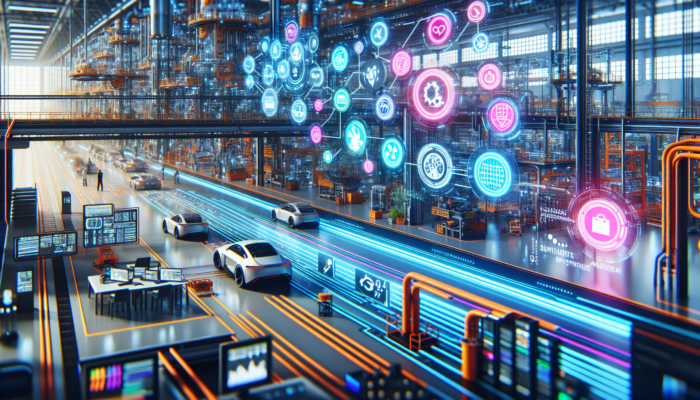
The influence of hardware integration is evident across various industries and sectors. Here are a few noteworthy examples:
1. How Hardware Integration is Transforming the Internet of Things (IoT)
In IoT applications, hardware integration is essential for establishing connections between physical devices and facilitating seamless communication with the digital realm. Integrated hardware systems enable efficient data collection, processing, and real-time monitoring, which are crucial for advancing smart city initiatives, industrial automation, and home automation.
In the realm of IoT applications, hardware integration is critical for connecting physical devices and enabling communication with the virtual world. Integrated hardware systems efficiently collect data from various sensors, process it effectively, and facilitate real-time monitoring. This functionality plays a significant role in multiple sectors, including the development of smart city initiatives, industrial automation, and home automation solutions, driving innovation and efficiency.
2. Empowering Cloud Computing Solutions through Hardware Integration
Cloud computing heavily relies on hardware integration to deliver computing resources and services to users over the internet. Integrated server systems, networking components, and storage devices collaborate effectively to ensure smooth data processing, storage, and retrieval, allowing businesses to scale their operations and meet growing demands.
Hardware integration serves as the backbone of cloud computing, enabling the delivery of computing resources and services via the internet. Integrated server systems, networking components, and storage devices work in harmony to guarantee efficient data processing, storage, and retrieval. This level of integration empowers organisations to scale their operations effectively, adapting to the increasing demands of cloud computing while maintaining performance and reliability.
3. Elevating User Experiences in Virtual Reality (VR) and Augmented Reality (AR)
The immersive experiences provided by VR and AR applications depend significantly on high-performance hardware integration. Integrated graphics processing units (GPUs), sensors, and display devices work together to deliver realistic visuals and seamless interactivity, enriching user experiences in gaming, training, and simulation environments.
Hardware integration is foundational for creating immersive experiences in VR and AR applications. The collaboration between integrated graphics processing units (GPUs), sensors, and display devices is essential for delivering realistic visuals and smooth interactivity. This level of integration dramatically enhances user experiences across various fields, including gaming, training, and simulation applications, providing engaging and transformative experiences.
Harnessing the Power of Hardware Integration for Superior System Performance
The integration of hardware components plays a crucial role in shaping system performance, enabling businesses and individuals to fully harness the advantages of a seamless blend of physical and virtual elements. By optimising resource allocation, enhancing efficiency, and strengthening reliability, integrated hardware systems facilitate improved scalability, reduced latency, and heightened security. However, ensuring compatibility, anticipating future needs, and establishing robust maintenance plans are essential to unlocking the complete potential of hardware integration. Embracing this transformative approach to system architecture opens new avenues for innovation while leveraging the true power of technology.
1. What is Hardware Integration and What Does It Entail?
Hardware integration involves the systematic process of merging various physical components, including processors, memory modules, storage devices, and peripherals, into a cohesive system. This method ensures that hardware elements work together harmoniously, facilitating optimal performance and efficiency.
2. How Does Hardware Integration Enhance System Performance?
Hardware integration enhances system performance in a multitude of ways:
- Optimised Efficiency: The integration of hardware components allows for the effective utilisation of system resources, streamlining operations and minimising bottlenecks.
- Scalability: Hardware integration provides the flexibility to adjust the system’s capabilities according to the evolving needs of the business, without compromising performance.
- Reduced Latency: The integration of hardware components can significantly lower latency, enabling faster data processing and real-time interactions.
- Improved Reliability: Hardware integration facilitates the establishment of redundant systems, ensuring uninterrupted operation even in the event of component failure.
3. What Are the Key Factors to Consider for Successful Hardware Integration?
To achieve maximum system performance through hardware integration, it is important to consider the following:
- Compatibility and Interoperability: Ensuring that different hardware components are compatible and can work seamlessly together.
- Optimal Resource Allocation: Analysing workload requirements and allocating resources effectively to prevent bottlenecks and ensure balanced utilisation.
- Future-Proofing: Considering future requirements and opting for flexible and upgradeable hardware solutions to adapt to emerging technologies.
- Maintenance and Support: Establishing a comprehensive maintenance plan and ensuring access to dependable technical support for prompt issue resolution.
4. What Are Some Practical Applications of Hardware Integration Across Various Industries?
Hardware integration finds extensive application across multiple sectors, including:
- Internet of Things (IoT): Facilitating seamless communication between physical devices and the virtual world for smart city initiatives, industrial automation, and home automation.
- Cloud Computing: Delivering computing resources and services over the internet through integrated server systems, networking components, and storage devices.
- Virtual Reality (VR) and Augmented Reality (AR): Creating immersive experiences through integrated graphics processing units (GPUs), sensors, and display devices in gaming, training, and simulation environments.
Originally posted 2023-04-13 01:06:36.
The post Hardware Integration’s Effect on System Performance Dynamics appeared first on Healthcare Marketing Service.