Categories
Health & Wellness Hearing Health

Regenerative Ear Medicine: Hope for Hearing Restoration

Transformative Innovations in Regenerative Ear Medicine for Effective Hearing Restoration

The field of regenerative ear medicine is pioneering groundbreaking advancements in healthcare, offering innovative solutions that have the potential to significantly alter our approach to hearing loss. With the increasing incidence of auditory disorders globally, the urgency for novel treatments has reached unprecedented levels. Researchers and healthcare experts are harnessing cutting-edge technologies to develop therapies that not only aim to restore hearing but also enhance the quality of life for millions. This section delves into the latest advancements in regenerative methods, highlighting remarkable progress made in this critical area of medicine.

Unlocking the Promise of Stem Cell Therapies for Hearing Restoration

Scientists in a futuristic lab regenerating ear tissues with stem cells, focusing on cochlear function and hair cell regeneration.

Stem cell therapies have emerged as a leading frontier in the domain of regenerative ear medicine. These pioneering therapies take advantage of the remarkable potential of stem cells to differentiate into diverse cell types, particularly those necessary for regenerating ear tissues. Evidence suggests that stem cells can be harvested from various sources, including bone marrow and adipose tissue, and transformed into specialized cells that restore cochlear functionality. For instance, studies conducted on animal models have illustrated that implanting stem cells into damaged ear regions can regenerate hair cells, which play a vital role in the conversion of sound waves into electrical signals for the brain.

This potential is supported by active clinical trials happening around the world, assessing the safety and efficacy of various stem cell therapies in humans. In Japan, for example, researchers are pioneering the use of induced pluripotent stem cells (iPSCs) to regenerate sensory hair cells within the cochlea. The outcomes of these trials may usher in a new era where hearing loss, especially types associated with ageing and noise exposure, can be effectively treated rather than simply managed.

Furthermore, the integration of stem cell therapies with alternative treatment modalities, such as gene therapy and tissue engineering, has the potential to amplify their effectiveness, creating a more holistic approach to hearing restoration. As these therapies develop, there is optimism that they will be customized to meet individual patient requirements, resulting in tailored treatment strategies that optimize outcomes. The transition of stem cells from laboratory settings to clinical applications signifies a major leap forward in addressing hearing impairment.

Innovations in Tissue Engineering for Comprehensive Ear Reconstruction

Tissue engineering represents an avant-garde field dedicated to crafting biological substitutes that can restore, maintain, or enhance the functionality of damaged ear structures. At the heart of this innovation lies the creation of scaffolds and biocompatible materials designed to facilitate controlled tissue growth. Researchers are exploring a range of materials, including hydrogels and polymers, which can replicate the natural architecture of ear structures, thereby providing essential support for cell growth and tissue regeneration.

These engineered tissues hold the potential to replace damaged components of the ear, such as the tympanic membrane or parts of the cochlea. Practically, this implies that patients suffering from severe structural damage could benefit from procedures involving the implantation of engineered tissues, which promote natural healing and restore functionality. Notably, advancements in 3D printing technology are enabling the production of patient-specific scaffolds, enhancing the precision and effectiveness of these interventions. This level of accuracy not only boosts the likelihood of successful integration into the body but also significantly reduces the risk of complications.

On a global scale, collaborative research efforts are expediting developments within tissue engineering. For example, a research team based in the Netherlands is at the forefront of employing 3D-printed scaffolds for reconstructing the inner ear, aiming to provide viable solutions for individuals facing congenital auditory conditions. The ramifications of such breakthroughs are immense; they not only promise to enhance surgical outcomes but also pave the way for innovative treatments tailored to meet the unique needs of individual patients.

Transforming Hearing Restoration Through Gene Therapy Innovations

gene therapy is emerging as a revolutionary method for treating hearing loss, focusing on direct modifications to the genetic material within ear cells. This therapeutic approach aims to repair or replace defective genes that contribute to auditory dysfunction. By using viral vectors to deliver therapeutic genes, researchers are working to unlock dormant regenerative pathways within the ear, potentially revitalizing damaged cells and restoring hearing abilities.

One of the most compelling applications of gene therapy is its capacity to address genetic forms of hearing loss, particularly those stemming from mutations in critical genes such as GJB2, which encodes for the connexin 26 protein essential for auditory function. Pioneering trials in both the United States and Europe are investigating whether the introduction of corrected versions of these genes can lead to a functional recovery of hearing capabilities. The success of these trials could represent a monumental shift in the management of hereditary hearing impairments, offering not just symptomatic relief but a genuine reversal of the condition.

Moreover, the adaptability of gene therapy opens new avenues for potential applications beyond existing treatments, indicating its use as a preventive strategy. For individuals with a genetic predisposition to hearing loss, early interventions involving gene therapy could help mitigate future risks. As research in this arena progresses, there is hope that gene therapy will become a cornerstone of personalized medicine within audiology, fundamentally transforming the landscape of global hearing healthcare.

Utilising Growth Factors for Enhanced Ear Regeneration Processes

The integration of growth factors within regenerative ear medicine constitutes a pivotal strategy aimed at enhancing cell proliferation and differentiation during ear regeneration processes. Growth factors are essential proteins that play a crucial role in cell signalling and can stimulate the development of cochlear hair cells, vital for auditory processing. By administering these factors directly to damaged areas of the ear, researchers aspire to activate natural healing mechanisms and restore auditory functionality.

Clinical studies have substantiated the effectiveness of specific growth factors, such as fibroblast growth factor (FGF) and brain-derived neurotrophic factor (BDNF), in facilitating hair cell regeneration. A notable trial conducted in Australia involved the administration of FGF to patients experiencing significant hair cell loss. Preliminary results revealed remarkable enhancements in auditory function, indicating that the targeted delivery of growth factors could provide a viable treatment pathway for various forms of hearing loss.

Furthermore, the combined effect of integrating growth factors with other regenerative strategies, including stem cell therapies, may augment therapeutic outcomes. This multifaceted approach is gathering traction, with researchers exploring combination therapies that harness both stem cells and growth factors to maximise regenerative potential. As the scientific community continues to decode the complexities of growth factor interactions within the ear, the dream of revitalising auditory health becomes increasingly feasible, offering renewed hope for individuals affected by hearing loss.

The Profound Impact of Regenerative Ear Medicine on Hearing Loss Management

The potential impact of regenerative ear medicine on hearing loss is substantial, introducing new treatment paradigms that offer hope to millions worldwide. Given that hearing impairment is a significant health concern affecting individuals across various demographics, advancements in regenerative techniques present the opportunity to vastly improve lives. This section examines how these innovations can promote early intervention, restore functionality, support sustainable hearing health, and instigate proactive prevention strategies.

The Essential Role of Early Intervention in Hearing Health Management

In the realm of hearing health, the timing of interventions is critical. The role of regenerative medicine in regenerative ear medicine underscores the importance of early intervention in halting the progression of hearing loss. Research indicates that conditions such as ototoxicity, often triggered by certain medications, can lead to irreversible damage if not addressed promptly. Regenerative therapies offer a potential solution by enabling timely action to regenerate damaged tissues before significant hearing loss ensues.

Moreover, advancements in diagnostic technologies, such as high-resolution imaging and genetic testing, facilitate the earlier identification of hearing loss risk factors. By integrating these technologies with regenerative medicine, healthcare professionals can pinpoint at-risk populations and implement preemptive regenerative treatments. For instance, children born with genetic predispositions to hearing loss may greatly benefit from early stem cell interventions, potentially alleviating lifelong auditory challenges.

Globally, initiatives aimed at raising awareness regarding early intervention are crucial in encouraging proactive healthcare behaviours. Countries like Sweden and Canada have established screening programmes that enable early detection and intervention for hearing impairments in infants. By combining such initiatives with innovative regenerative therapies, the potential to transform outcomes for affected individuals becomes not just a possibility but a tangible reality.

Enhancing Auditory Function Through Innovative Restoration Techniques

Restorative therapies in regenerative ear medicine hold immense potential to significantly enhance hearing capabilities, resulting in improved overall quality of life for individuals experiencing hearing loss. The regeneration of functional ear structures, such as hair cells or the tympanic membrane, can yield substantial benefits, ranging from enhanced communication to enriching social interactions.

Methods like stem cell therapies and tissue engineering are paving the way for transformative advancements in auditory function restoration. For instance, clinical trials have indicated that patients undergoing hair cell regeneration report notable improvements in sound perception, marking a significant step towards normalised auditory experiences.

In addition, these restorative approaches could minimise the reliance on assistive devices such as hearing aids or cochlear implants. Many patients express a preference for natural restoration over mechanical aids due to the limitations that devices impose on their daily lives. As regenerative techniques progress, the hope is that patients will not only regain hearing but also experience a renewed sense of autonomy and connection to their environment.

Ensuring Long-Term Sustainability in Hearing Health Through Regenerative Strategies

When considering the long-term benefits of regenerative medicine, it is vital to assess sustainability in hearing health. Unlike traditional solutions that often provide temporary relief, regenerative approaches possess the potential for lasting restoration of auditory function. By addressing the underlying causes of hearing loss through innovative therapies, patients may enjoy improved hearing capabilities well into their later years.

Research has shown that regenerative therapies can yield not only temporary hearing improvements but also long-term stabilization of auditory function. For instance, studies examining gene therapy and growth factor applications have indicated the potential for ongoing cellular rejuvenation, allowing sustained auditory function over time.

Moreover, the long-term cost-effectiveness of regenerative treatments presents a compelling argument for their widespread adoption. By reducing the necessity for ongoing therapies or devices, both patients and healthcare systems could benefit from significant financial relief. As the field progresses, the future of hearing health promises to be not only more optimistic but also economically sustainable for individuals and societies alike.

Implementing Proactive Strategies to Prevent Hearing Loss

The proactive application of regenerative medicine in regenerative ear medicine has the potential to revolutionise hearing health by preventing hearing loss before it manifests. Through innovative research, scientists are exploring strategies to utilise regenerative techniques not only for treatment but also as preventive measures to safeguard hearing health.

One area of focus involves administering growth factors or stem cell treatments to individuals at risk of hearing loss due to environmental exposure or genetic predispositions. For example, individuals working in noisy environments, such as construction sites or music venues, may benefit from preventative interventions that stimulate ear tissue regeneration before any damage occurs.

Educational initiatives designed to raise awareness about hearing health and the potential of regenerative medicine are essential for fostering a culture of prevention. Countries like Australia have implemented community outreach programmes that emphasise the importance of protective measures against hearing loss, such as limiting exposure to loud sounds. By melding these efforts with advances in regenerative therapies, the future holds promise for preserving the hearing health of diverse populations.

Addressing Ethical Considerations in Regenerative Ear Medicine Practices

As advancements in regenerative ear medicine unfold, ethical considerations become increasingly prominent in discussions regarding its applications. The potential of these innovative therapies introduces complex dilemmas that necessitate thoughtful scrutiny. This section examines critical ethical issues, including consent, accessibility, safety, and regulatory oversight, which are essential for shaping the future of regenerative therapies.

Upholding Patient Consent and Autonomy in Treatment Choices

The ethical implications surrounding the utilisation of regenerative therapies in regenerative ear medicine underscore the significance of patient autonomy and informed consent. As with any medical intervention, patients must be fully apprised of the potential risks, benefits, and alternatives associated with regenerative therapies. This transparency is crucial for fostering trust between healthcare providers and patients.

Informed consent processes must encompass comprehensive discussions regarding the experimental nature of many regenerative techniques, particularly during their early phases. For instance, patients participating in clinical trials need to understand both the potential benefits and the uncertainties surrounding long-term outcomes. Providing patients with clear and comprehensible information empowers them to make informed decisions regarding their healthcare.

Moreover, ethical considerations extend to vulnerable populations, such as children or individuals with cognitive impairments, necessitating additional protective measures. It is imperative for healthcare providers to advocate for these individuals while ensuring that their voices are included in the decision-making process. The ongoing discourse surrounding consent and autonomy will significantly shape the ethical landscape of regenerative ear medicine.

Promoting Accessibility and Equity in Regenerative Therapeutic Approaches

Ensuring accessibility and equity in regenerative ear medicine is paramount to guarantee that these groundbreaking therapies are available to all who require them, irrespective of their socioeconomic status. As advancements progress, there is a risk that disparities may arise, potentially favouring those with greater financial resources while leaving marginalized communities underserved.

Addressing these disparities necessitates a coordinated effort among healthcare providers, policymakers, and advocacy organizations to facilitate equitable access to regenerative therapies. Innovative models, such as subsidised healthcare programs and community clinics, could assist in bridging the gap for low-income families seeking treatment for hearing loss.

Global collaboration is also essential in promoting equity within regenerative medicine. Initiatives fostering partnerships between developed and developing nations can facilitate knowledge sharing, resource allocation, and capacity building, ensuring that advancements in hearing health are universally accessible. By prioritising equitable access, the promise of regenerative ear medicine can fulfil its potential as a transformative healthcare solution.

Safeguarding the Long-Term Safety of Regenerative Treatments

Evaluating the long-term safety of regenerative treatments is a critical concern as the field of regenerative ear medicine continues to evolve. While many innovative therapies show promise, rigorous monitoring for adverse effects over extended periods is vital to ensure patient well-being.

Clinical trials play an essential role in this safety evaluation, providing invaluable data on the potential risks associated with regenerative therapies. Regulatory bodies must enforce stringent guidelines that require ongoing safety assessments, enabling a proactive approach to addressing any emerging concerns. For instance, monitoring patients who have undergone gene therapy for auditory conditions will be crucial in understanding the long-term implications on health and overall quality of life.

Additionally, transparency in reporting adverse outcomes will enhance public trust in regenerative therapies. Patients must be informed of potential risks, and healthcare providers need to be equipped to manage any complications that may arise. By prioritising long-term safety and transparency, the field of regenerative ear medicine can cultivate a foundation of trust and confidence among patients and the broader community.

Establishing Ethical Oversight and Regulatory Frameworks in Regenerative Medicine

The advancement of regenerative ear medicine necessitates robust ethical oversight and regulatory compliance to protect patient rights and foster public trust. As new therapies emerge, regulatory bodies must keep pace with innovations to ensure that ethical standards are upheld throughout the development and application of regenerative treatments.

International guidelines and frameworks should be established to streamline the ethical review processes for regenerative therapies, ensuring alignment with established principles of safety, efficacy, and patient welfare. For instance, organizations like the World Health Organization (WHO) and other global health entities can play a crucial role in shaping ethical guidelines that encompass diverse cultural perspectives and healthcare systems.

Furthermore, fostering collaboration among researchers, clinicians, and ethicists will enhance the dialogue surrounding regenerative therapies, ensuring that multiple viewpoints are considered. Engaging stakeholders in discussions about ethical implications can lead to more inclusive policies that reflect the needs and values of various communities. By prioritising ethical oversight and regulation, the future of regenerative ear medicine can be navigated with integrity, leading to advancements that are both beneficial and just for all.

Driving Research and Development in Regenerative Ear Medicine

The promise of regenerative ear medicine relies heavily on ongoing research and development efforts that push the boundaries of what is achievable in treating hearing loss. By prioritising collaboration and innovation, this section discusses the significance of interdisciplinary partnerships, funding sources, clinical trials, and the overall landscape shaping the future of regenerative therapies.

Encouraging Collaborative Initiatives for Advancements in Regenerative Medicine

Interdisciplinary collaboration is essential for advancing research in regenerative ear medicine. Given the inherent complexity of the field, drawing expertise from various disciplines—such as biology, engineering, and audiology—can expedite discoveries and enhance therapeutic approaches.

Research institutions across the globe are forming collaborative networks to share knowledge, resources, and innovative techniques. For example, universities and biotech companies are partnering on projects that combine stem cell research with advanced materials science, aiming to develop biocompatible scaffolds for ear tissue regeneration. These collaborative efforts not only stimulate innovation but also catalyse the translation of research findings into practical solutions for patients.

Moreover, global collaborations facilitate cross-cultural exchanges of ideas and best practices. By uniting researchers from diverse regions, varied perspectives can lead to novel insights and solutions. As the scientific community increasingly embraces collaboration, the collective effort will pave the way for groundbreaking advancements in regenerative ear medicine.

Securing Financial Resources for Regenerative Research Endeavours

Exploring the financial and infrastructural requirements to support ongoing research in regenerative ear medicine is vital for sustaining progress. Securing funding is often one of the most daunting challenges researchers face, as grants and investments are critical for enabling innovative studies and clinical trials.

Government agencies, private foundations, and corporate sponsorship can play pivotal roles in providing the necessary resources for transformative research. For example, initiatives like the National Institutes of Health (NIH) in the United States offer substantial grants specifically aimed at advancing hearing health research, including regenerative therapies.

Additionally, fostering public-private partnerships can amplify funding opportunities, allowing researchers to tackle ambitious projects with significant potential impact. As investments in regenerative medicine grow, the prospects for transformative advancements in hearing health become increasingly attainable, promising a future where hearing loss can be effectively addressed.

Clinical Trials as Foundations for Validating Regenerative Therapies

Clinical trials serve as the bedrock for validating and refining techniques within regenerative ear medicine. These trials establish the necessary framework to evaluate the safety and efficacy of emerging therapies, ensuring they meet the stringent standards required for clinical application.

Within the realm of regenerative ear medicine, clinical trials are actively ongoing across various global locations, exploring a multitude of innovative treatments. For instance, a multinational trial involving gene therapy for hereditary hearing loss is examining long-term effects and functional outcomes in diverse patient populations. The data collected from these trials will not only inform clinical practices but also contribute to a broader understanding of the potential of regenerative therapies.

Moreover, patient involvement in clinical trials is crucial for enhancing the research process. Engaging patients as active participants not only empowers them but also fosters a sense of community among those affected by hearing loss. By prioritising patient-centred research, the future of regenerative ear medicine can be shaped in a way that genuinely addresses the needs and expectations of individuals seeking treatment.

Understanding Patient Perspectives on Regenerative Ear Medicine

The journey towards comprehending the impact of regenerative ear medicine remains incomplete without acknowledging patient perspectives. Their hopes, expectations, and experiences are invaluable in shaping future treatment options. This section explores the hopes and challenges faced by patients in the context of regenerative therapies.

Patient Hopes and Aspirations for Regenerative Treatments

For individuals confronting hearing loss, the promise of regenerative ear medicine serves as a beacon of hope. Many patients are eagerly anticipating the potential of innovative therapies to restore their auditory capabilities, fundamentally altering their lives. The emotional toll of hearing loss—often accompanied by feelings of isolation and communication barriers—heightens the desire for effective solutions.

Patients’ expectations regarding regenerative treatments can be quite elevated, driven by compelling media narratives and successful clinical trial outcomes. However, it is crucial for healthcare providers to manage these expectations through transparent communication. By discussing the current limitations of regenerative therapies and the ongoing nature of research, providers can empower patients to maintain realistic outlooks while still fostering optimism about future advancements.

Globally, patient advocacy groups are emerging to support individuals navigating the complexities of hearing loss treatments. These organisations play a vital role in disseminating information about regenerative therapies, connecting patients with resources, and fostering community support. By amplifying patient voices, the future of regenerative ear medicine can be shaped to reflect the collective hopes and aspirations of those it aims to serve.

Improving Quality of Life Through Regenerative Therapies

The effects of regenerative treatments on quality of life are profound. For many patients, the restoration of hearing capabilities translates into significant enhancements in daily experiences, ranging from social interactions to professional opportunities. Reconnecting with loved ones and engaging in conversations previously hindered by hearing loss can restore a sense of normalcy and belonging.

Research indicates that individuals undergoing successful regenerative therapies often report substantial improvements in their mental well-being. The alleviation of frustration associated with hearing loss can lead to enhanced emotional health and increased confidence in social settings. This holistic improvement in quality of life underscores the transformative potential of regenerative ear medicine.

Moreover, the ripple effects of enhanced hearing capabilities extend beyond the individual. Families and communities benefit from the re-engagement of those affected by hearing loss, strengthening relationships and shared experiences. The cumulative impact of these improvements on society highlights the need to prioritise advancements in regenerative ear medicine for the betterment of global communities.

Confronting Challenges and Concerns in Regenerative Medicine

Despite the optimism surrounding regenerative therapies, patients often face challenges and concerns that warrant careful consideration. Issues related to efficacy, safety, and accessibility must be addressed to build trust in these emerging treatments.

Concerns regarding the long-term effects of regenerative therapies can lead to hesitancy among patients contemplating clinical trial participation or pursuing these innovative options. It is essential for healthcare providers to engage in open dialogues with patients, addressing their concerns and providing reassurance about the stringent safety protocols in place.

Furthermore, the accessibility of regenerative treatments remains a pressing issue. Patients from disadvantaged backgrounds may encounter obstacles in accessing cutting-edge therapies, exacerbating existing healthcare inequities. Advocacy for equitable access to regenerative ear medicine is crucial to ensuring that all individuals have the opportunity to benefit from these advancements.

By recognising and addressing these challenges, the future of regenerative ear medicine can be guided by a patient-centric approach, ultimately leading to more effective and inclusive solutions for hearing loss.

Anticipating Future Prospects in Regenerative Ear Medicine

As we look to the future, the potential of regenerative ear medicine is filled with opportunities that could redefine the landscape of hearing health. This section examines possible technological innovations, broader applications, necessary policy updates, and the significance of global collaboration in advancing these therapies.

Technological Innovations Shaping the Future of Regenerative Medicine

Technological advancements will play a pivotal role in enhancing the promise of regenerative ear medicine. As research progresses, innovations in areas such as biomaterials, gene delivery systems, and imaging techniques will create new opportunities for effective treatments.

For example, the development of advanced biomaterials that closely mimic the natural environment of ear tissues can optimise cell growth and integration, further improving regenerative outcomes. Additionally, breakthroughs in gene delivery systems will enhance the precision and efficiency with which therapeutic genes are introduced into target cells, maximising the effectiveness of gene therapy.

Moreover, advancements in diagnostics, such as high-throughput sequencing, will enable more personalised approaches to treatment. By identifying individual genetic profiles, tailored therapies can be designed to meet each patient’s specific needs, significantly improving treatment success rates.

As these technological innovations continue to evolve, they will reshape the landscape of regenerative ear medicine, paving the way for groundbreaking therapies that can effectively address the challenges posed by hearing loss.

Expanding Applications of Regenerative Medicine Principles

The principles of regenerative medicine extend beyond hearing health, with potential applications in various medical fields. Techniques developed for regenerative ear medicine may be adapted to treat other forms of sensory loss or even organ regeneration, underscoring the universal applicability of these advancements.

For instance, methodologies utilised in regenerative ear medicine, such as tissue engineering and stem cell therapies, could be repurposed to address conditions affecting vision or other sensory modalities. Exploring these broader applications could yield innovative treatments that transform patient care across multiple disciplines.

Furthermore, the insights gained from research focused on regenerative ear medicine can inform best practices in other areas of regenerative medicine, promoting a more integrated approach to healthcare. By recognising the interconnectedness of various medical fields, we can unlock new avenues for treating a wide array of conditions.

Policy and Regulatory Developments for Advancing Regenerative Therapies

The rapid evolution of regenerative therapies necessitates a proactive approach to policy and regulation. As the field progresses, it is essential for regulatory bodies to adapt existing frameworks to accommodate the unique challenges posed by regenerative medicine.

Updating policies to reflect the latest scientific understandings and technological advancements will ensure that patients have access to safe and effective treatments. By fostering an environment that encourages innovation while maintaining rigorous safety standards, regulatory agencies can facilitate the responsible advancement of regenerative therapies.

Moreover, involving stakeholders in discussions about policy formulation can lead to more comprehensive regulations that reflect the needs of patients, healthcare providers, and researchers alike. By prioritising collaborative dialogue, the future of regenerative ear medicine can be guided by a shared commitment to ethical practice and patient welfare.

Encouraging Global Collaboration for Advancements in Regenerative Ear Medicine

The advancement of regenerative ear medicine is a global endeavour that thrives on collaboration and knowledge sharing. Fostering international partnerships among researchers, healthcare providers, and policymakers is essential for accelerating progress and promoting equitable access to innovative therapies.

Global initiatives, such as collaborative research networks and cross-border clinical trials, can enhance the exchange of ideas and facilitate the rapid dissemination of findings. By pooling resources and expertise from diverse regions, the scientific community can address complex challenges and drive advancements that benefit individuals worldwide.

Furthermore, promoting cultural awareness and understanding in the context of regenerative medicine can lead to more inclusive approaches that respect diverse patient perspectives. By prioritising global collaboration, the future of regenerative ear medicine can be shaped by a collective vision of health equity and innovation.

Enhancing Educational Outreach in Regenerative Ear Medicine

As the promise of regenerative ear medicine unfolds, the importance of educational outreach becomes increasingly apparent. This section explores the significance of public awareness, professional training, and community engagement in fostering understanding and support for these transformative therapies.

Increasing Public Awareness of Regenerative Ear Medicine

Educating the public about the potential and limitations of regenerative ear medicine is crucial for fostering informed discussions and realistic expectations. Awareness campaigns can help demystify the complexities of regenerative therapies while promoting understanding of the underlying science.

Effective communication strategies, such as public seminars, online resources, and social media engagement, can reach diverse audiences and facilitate dialogue around hearing health. By providing accessible information, these initiatives can empower individuals to make informed decisions regarding their auditory health and explore available treatment options.

Furthermore, addressing common misconceptions about regenerative medicine is essential for building trust within the community. By presenting clear, evidence-based information, healthcare providers can help bridge gaps in understanding and foster confidence in emerging therapies.

Providing Professional Training in Cutting-Edge Regenerative Techniques

Ensuring that healthcare professionals are well-trained in the latest regenerative techniques and their applications is paramount for the successful implementation of these therapies. Continuing education programs and specialised training courses can equip professionals with the knowledge and skills necessary to navigate the evolving landscape of regenerative medicine.

Collaborative efforts between academic institutions, research organisations, and clinical settings can facilitate the development of comprehensive training programs that encompass both theoretical knowledge and practical experience. By fostering a culture of lifelong learning, the healthcare workforce can remain at the forefront of advancements in regenerative ear medicine.

Additionally, interdisciplinary training initiatives can enhance collaboration between various healthcare disciplines, promoting a holistic approach to patient care. By fostering a collaborative mindset among healthcare professionals, the future of regenerative ear medicine can be shaped by the collective expertise of diverse fields.

Engaging Communities in Conversations About Regenerative Medicine

Involving communities in discussions about regenerative medicine is vital for fostering understanding and support. Community outreach programs can facilitate open dialogues that address the concerns, hopes, and expectations of individuals affected by hearing loss.

By creating platforms for community engagement—such as public forums, workshops, and informational sessions—healthcare providers can cultivate a sense of belonging and support among individuals navigating the challenges of hearing loss. These initiatives not only empower patients but also foster a sense of community solidarity.

Moreover, involving community members in the research process can enhance the relevance of studies and ensure that patient perspectives are considered. By prioritising community engagement, the future of regenerative ear medicine can be shaped by the voices of those it aims to serve, ultimately leading to more effective and inclusive solutions.

Addressing Common Questions About Regenerative Ear Medicine

What is the focus of regenerative ear medicine?

Regenerative ear medicine centres on pioneering therapies aimed at restoring hearing by repairing or replacing damaged ear tissues using techniques such as stem cell therapy, tissue engineering, and gene therapy.

How do stem cell therapies operate in ear medicine?

Stem cell therapies strive to regenerate damaged ear tissues by utilising stem cells that can differentiate into the specific cell types necessary for restoring auditory function, potentially reversing hearing loss.

What advancements are taking place in tissue engineering for hearing restoration?

Tissue engineering is focusing on the development of biocompatible scaffolds that support the growth of new ear structures, enabling the replacement of damaged tissues, such as the tympanic membrane and cochlea.

How does gene therapy contribute to the restoration of hearing?

Gene therapy involves modifying genetic material to repair or replace defective genes responsible for hearing loss, providing a targeted approach to restore auditory function in genetically predisposed patients.

What role do growth factors play in ear regeneration processes?

Growth factors are proteins that stimulate cell growth and differentiation, enhancing the regeneration of hair cells in the cochlea and promoting natural healing processes for improved hearing.

Is preventive hearing loss treatment possible through regenerative medicine?

Yes, regenerative medicine has the capacity to offer preventive treatments by addressing risk factors early, such as administering therapies to at-risk populations, thus mitigating future hearing loss.

What ethical considerations surround the practice of regenerative ear medicine?

Key ethical considerations include ensuring informed consent, addressing accessibility and equity, evaluating long-term safety, and establishing ethical oversight for the development of regenerative therapies.

How significant are collaborative efforts in advancing regenerative ear medicine?

Collaborative efforts among researchers, clinicians, and institutions are vital for fostering innovation, sharing knowledge, and expediting the translation of research findings into practical applications for patients.

What are the long-term benefits associated with regenerative ear medicine?

Long-term benefits include sustainable restoration of hearing function, reduced reliance on assistive devices, and improved quality of life for individuals experiencing hearing loss.

How can public knowledge regarding regenerative ear medicine be enhanced?

Public awareness can be increased through educational campaigns, community outreach initiatives, and accessible resources, empowering individuals to understand and engage with advancements in hearing health.

Explore our world on X!

The post Regenerative Ear Medicine: A Universal Hope Awaits appeared first on The Microsuction Ear Wax Removal Network.

The post Regenerative Ear Medicine: A Universal Hope Awaits appeared first on Healthcare Marketing Service.

Categories
Health & Wellness Hearing Health

Earwax Blockage: Understanding Its Effects on Hearing

Unlocking the Vital Functions and Significance of Earwax for Auditory Wellness

Understanding Earwax: Nature’s Essential Protective Shield for Ear Health

Earwax, scientifically known as cerumen, is a naturally produced secretion from the glands within the ear canal. This yellowish, waxy substance plays a critical role in maintaining ear health. It is composed of secretions from both sebaceous and ceruminous glands, creating a mixture of fatty acids, alcohols, and various organic compounds. Beyond its protective function, earwax also lubricates the ear canal, preventing dryness and irritation, which are common issues. Across various cultures, earwax is often met with intrigue and occasional concern, prompting many to seek its removal. However, it is vital to appreciate that earwax performs essential protective duties that are crucial for sustaining overall <a href="https://healthcaremarketingservice.com/ear-health-the-emerging-trend-everyone-should-embrace/">auditory health</a>.

Understanding Earwax’s Multifaceted Role in Safeguarding Your Ears

The primary function of earwax is to serve as a protective barrier against harmful external elements that can jeopardise ear health. As sound waves enter the ear, earwax effectively traps dust, hair, and various foreign particles, preventing them from reaching the sensitive eardrum. This natural filtration system is crucial in reducing the risk of infections and other auditory complications. Furthermore, earwax has inherent antimicrobial properties that inhibit the growth of bacteria and fungi within the ear canal. This aspect is particularly important in warmer climates, where moisture can exacerbate microbial activity. Ultimately, earwax is far from an inconvenience; it is a vital component of ear health, enhancing our rich auditory experiences across diverse environments.

The Natural Cycle of Earwax Production: Importance and Balance

The human body is remarkably proficient at maintaining homeostasis, including the production and expulsion of earwax. Under normal circumstances, the ear produces just the right amount of wax to keep the ear canal clean and protected. The movement of the jaw during activities such as chewing and talking naturally helps push old earwax out of the ear, ensuring that it does not accumulate excessively. This self-cleaning mechanism is essential for sustaining healthy hearing. However, factors such as hormonal changes, ageing, and genetic predispositions can impact earwax production. For example, older adults may produce drier wax, making them more susceptible to blockages. Understanding this natural cycle empowers individuals to take proactive measures in maintaining ear health, whether they live in bustling urban centres or tranquil rural villages.

Exploring the Variations of Earwax and Their Implications for Ear Health

There are two primary types of earwax: wet and dry, with variations arising from genetic factors and geographic distribution. Wet earwax, which is more prevalent among populations of African and European descent, has a sticky consistency and is often brown or yellow. In contrast, dry earwax, common among East Asian populations, is typically grey and crumbly. This diversity is attributed to specific genetic markers that influence the composition of earwax. Recognising these differences is crucial not only for personal care but also for understanding cultural attitudes toward earwax management. For instance, in certain cultures, earwax is seen as a source of embarrassment, resulting in a surge of products designed for its removal. Embracing these natural variations can promote a more informed global perspective on ear health.

Recognising and Understanding Earwax Blockage: A Comprehensive Guide

Identifying the Causes of Earwax Buildup and Blockage

Excessive earwax production can lead to blockages that impede hearing and cause discomfort. Various factors contribute to this accumulation, including anatomical variations such as narrow ear canals that trap wax more easily. The use of hearing aids, earplugs, or even cotton swabs can inadvertently push wax deeper into the ear canal, worsening the situation. Individuals engaged in activities such as swimming may also experience increased earwax production due to moisture exposure, prompting a defensive response from the ear. Across different regions, lifestyle choices and occupational hazards can influence earwax buildup, making it crucial for individuals to understand their specific risk factors. Raising awareness about these causes can significantly reduce the likelihood of experiencing blockages, leading to improved overall auditory health.

Recognising the Symptoms of Earwax Blockage for Timely Intervention

Recognising the symptoms associated with earwax blockage is vital for addressing potential hearing issues promptly. Common indicators include earache, a sensation of fullness or pressure in the ear, and difficulty hearing, all suggesting that sound waves are being obstructed. Tinnitus, characterised by persistent ringing or buzzing in the ears, may accompany these symptoms, leading to distress and anxiety for many individuals. These signs can vary significantly among different populations; for example, those in high-noise environments may misinterpret earwax-related symptoms as results of external factors. By increasing awareness of these symptoms, individuals can take timely action, seeking assistance before minor discomfort escalates into more significant hearing loss.

Identifying Risk Factors That Increase Susceptibility to Earwax Blockage

Certain populations may be more vulnerable to earwax blockage due to various risk factors. Age is a significant factor, as older adults often experience drier earwax that is more prone to accumulation. Additionally, individuals with excessive hair in the ear canal or those who frequently use substances that can irritate the ear may also face increased risk. Improper ear cleaning techniques, such as using cotton swabs, can inadvertently push wax deeper and lead to blockages. In cultures where ear cleaning is emphasised, understanding how these techniques can backfire becomes essential. By recognising these risk factors, individuals globally can adopt healthier ear hygiene practices, significantly reducing the chances of experiencing hearing impairment.

Proactive Strategies for Preventing Earwax Blockage

Implementing proactive measures can greatly reduce the risk of earwax blockage. Regular cleaning of the outer ear is essential; however, it is crucial to avoid inserting objects, such as cotton swabs, deep into the ear canal, as this can push wax further in. Instead, individuals can utilise ear drops or oils specifically designed to soften earwax, facilitating its natural expulsion. Preventive strategies may vary by region, influenced by local practices and environmental conditions. For instance, individuals in humid climates may need to exercise extra caution due to increased moisture in the ear. By understanding the best practices for ear hygiene, individuals can maintain healthy hearing while minimising the discomfort associated with earwax blockage.

Recognising When to Seek Professional Help for Earwax Issues

Knowing when to consult a healthcare professional regarding earwax blockage is essential for effective treatment. If symptoms persist beyond a few days, are accompanied by severe ear pain, or result in noticeable hearing loss, immediate medical consultation is warranted. Regular check-ups are particularly vital for individuals at risk, such as the elderly or those with existing hearing impairment. Healthcare providers can conduct gentle examinations to ensure the ear canal remains clear. In areas with limited access to medical care, raising awareness about the importance of ear health can lead to better outcomes. Recognising the signs that necessitate professional intervention ultimately protects individuals from long-term auditory damage.

The Impact of Earwax Blockage on Hearing and Overall Well-Being

Understanding Conductive Hearing Loss Linked to Earwax Blockage

One of the most immediate effects of earwax blockage is conductive hearing loss, a condition where sound waves cannot effectively reach the eardrum. When wax accumulates in the ear canal, it creates an obstruction that muffles sounds, resulting in a temporary decline in hearing ability. This obstruction can be particularly concerning in environments with background noise, where the struggle to hear can lead to frustration and communication challenges. For many individuals, especially those in multicultural settings, the inability to hear properly can adversely affect social interactions and overall quality of life. Understanding how earwax blockage impacts hearing fosters greater awareness about the necessity of ear care and encourages individuals to seek solutions before hearing loss becomes permanent.

The Influence of Earwax Blockage on Sound Perception and Communication

Blocked earwax can significantly alter sound perception, making it challenging to understand speech or engage in conversations. This difficulty transcends mere auditory inconvenience; it can profoundly impact interpersonal relationships and social interactions. In environments where effective communication is crucial—such as workplaces, classrooms, and community gatherings—individuals may struggle to engage fully. The global implications of sound perception extend beyond mere inconvenience; they can lead to feelings of isolation or frustration, particularly in cultures that prioritise verbal communication. Acknowledging the intricate relationship between earwax blockages and sound perception can help individuals make informed choices about their ear care.

The Long-Term Consequences of Untreated Earwax Blockage for Hearing Health

If left untreated, chronic earwax blockage can lead to severe long-term hearing issues and complications. Prolonged obstruction may cause damage to the eardrum, leading to infections and more permanent auditory impairment. In some cases, individuals may even experience irreversible hearing loss that cannot be rectified through medical intervention. Understanding these long-term consequences emphasises the importance of proactive ear care, particularly in regions where access to healthcare services may be limited. The narrative surrounding earwax often focuses on immediate discomfort; however, acknowledging potential long-term effects can encourage individuals to prioritise their ear health and seek professional help as needed.

Investigating the Connection Between Earwax Blockage and Tinnitus

Chronic earwax blockage can contribute to the onset of tinnitus, a condition characterised by persistent ringing, buzzing, or hissing sounds in the ears. This not only adds to the discomfort associated with earwax buildup but can also lead to distress and anxiety for those affected. For many, tinnitus becomes a constant background noise that hinders concentration and disrupts daily life. As populations worldwide become increasingly aware of such conditions, understanding the connection between earwax and tinnitus is vital. By addressing ear health holistically, individuals can take proactive steps to minimise their risk of developing this distressing condition.

Earwax Buildup and Its Effects on Balance and Dizziness

The inner ear plays a crucial role in maintaining balance, and earwax buildup can disrupt this system, leading to dizziness and instability. When earwax obstructs the ear canal, it can hinder the proper functioning of the vestibular system, responsible for equilibrium. This disruption can present challenges in daily life, particularly for those engaging in physical activities or living in dynamic environments. Individuals may experience episodes of dizziness that impede their ability to perform routine tasks. Acknowledging the connection between earwax and balance underscores the need for individuals to actively monitor their ear health, especially in regions with high levels of physical activity or outdoor exploration.

Accurate Diagnosis and Assessment of Earwax Blockage

Identifying Symptoms of Earwax Blockage for Prompt Action

Typically, individuals first recognise potential earwax blockage through hearing difficulties or discomfort in the ear. This realisation often prompts a visit to a healthcare provider for further evaluation. An increasing awareness of ear health issues across the globe has led more people to seek advice from audiologists and specialists. Many healthcare facilities now offer comprehensive clinics focusing on ear health, ensuring that individuals receive proper evaluations. Clear communication about symptoms can aid healthcare professionals in identifying issues swiftly, leading to timely interventions and improved outcomes for patients around the world.

Conducting a Comprehensive Medical Examination for Earwax Blockage

During a medical examination, healthcare providers use an otoscope to visually inspect the ear canal. This examination is critical for confirming the presence of earwax blockage and assessing the extent of the accumulation. For communities with limited access to advanced medical technologies, this simple yet effective tool remains invaluable. The findings from the otoscopic examination guide healthcare providers in determining the most appropriate course of action. Furthermore, educating patients about the examination process fosters greater trust and understanding, empowering them to take charge of their ear health.

Assessing Hearing Loss Through Comprehensive Audiometric Tests

Audiometry may be conducted to evaluate the degree of hearing loss caused by earwax blockage. Hearing tests vary widely across regions, with some healthcare settings employing advanced technologies while others rely on basic methodologies. These assessments are crucial for establishing a baseline of auditory health and determining the necessary treatment plan. Results from these tests not only assist in identifying the degree of impairment but also allow individuals to track their hearing health over time. Increasing global awareness of hearing health underscores the importance of regular hearing assessments, especially for individuals at risk of earwax-related issues.

Reviewing Patient History: An Essential Step in Understanding Earwax Blockage

A thorough review of the patient’s medical history is integral to diagnosing earwax blockage. Healthcare providers gather detailed information regarding prior ear issues, risk factors, and symptoms presented. This comprehensive approach ensures that clinicians can establish a clear connection between the individual’s history and current ear health. In culturally diverse settings, understanding regional practices regarding ear hygiene can provide valuable context for clinicians. Engaging in open conversations about ear health allows healthcare providers to tailor solutions to individual needs, fostering a collaborative approach to auditory well-being.

Ensuring Accurate Diagnosis Through Differential Diagnosis Practices

Clinicians must consider other potential causes of hearing loss or ear discomfort, such as infections or foreign objects, to ensure an accurate diagnosis. The complexity of auditory health necessitates a robust diagnostic process that goes beyond merely identifying earwax blockage. In regions with limited healthcare access, where patients may present late with complications, recognising these alternative causes is crucial for providing appropriate care. By emphasising the need for differential diagnosis, healthcare professionals can enhance their diagnostic accuracy and improve patient outcomes on a global scale.

Effective Treatment Options for Earwax Blockage Management

Utilising At-Home Remedies for Minor Earwax Buildup

For individuals experiencing minor earwax buildup, at-home remedies can serve as an effective initial solution. Over-the-counter ear drops designed to soften earwax can facilitate the natural expulsion process. These products often contain oils or hydrogen peroxide, which gently break down the wax. Gentle irrigation kits can also be used, allowing individuals to flush out excess earwax safely. However, it is crucial for users to follow instructions carefully to avoid causing damage to the ear canal. In cultures where self-care is emphasised, understanding the safe use of these remedies can empower individuals to manage their ear health proactively.

Exploring Professional Techniques for Safe Earwax Removal

In instances where home remedies prove insufficient, healthcare professionals may employ various techniques to safely remove earwax. Methods such as microsuction, where a small vacuum is used to extract wax, or curettage, which involves using specialised tools to scoop out the blockage, are commonly applied. This professional intervention ensures that the ear canal is cleared without causing harm or further complications. In many regions, public health initiatives are working to increase awareness about the importance of professional ear cleaning, ensuring that individuals understand their options for effective ear health management.

Implementing Preventive Measures for Sustained Ear Health

Preventing future earwax blockages is essential for maintaining optimal ear health. Regular cleaning, utilising soft cloths to wipe the outer ear, is a simple yet effective practice. Additionally, individuals should avoid using cotton swabs, which can push wax deeper into the ear canal. Instead, opting for ear drops or oils designed for ear health can facilitate the body’s natural cleaning mechanism. Cultural attitudes towards ear hygiene can significantly influence practices, making it vital for public health campaigns to promote safe and effective ear care methods. By educating individuals on preventive measures, communities can work together to reduce the incidence of earwax-related hearing issues.

Navigating Life with Earwax Blockage: Strategies for Success

Adapting Daily Life Following Earwax Blockage Diagnosis

Adjusting daily life in response to earwax blockage can be challenging yet necessary for those affected. Individuals may need to employ alternative communication strategies or consider utilising assistive listening devices to enhance their auditory experience during treatment. In multifaceted environments, such as classrooms or workplaces, clear communication with colleagues about hearing impairments can foster understanding and support. Cultural factors can also shape how individuals adapt to hearing difficulties, as some communities may place a higher value on vocal communication than others. By embracing these adjustments, individuals can navigate their daily lives more effectively while managing earwax-related challenges.

The Importance of Monitoring and Follow-Up for Effective Ear Health Management

Regular monitoring and follow-up appointments with healthcare providers are crucial for managing earwax-related issues effectively. Individuals should schedule routine check-ups, especially if they are prone to blockages. This proactive approach can help detect potential problems early, ensuring that appropriate interventions are implemented before severe complications arise. In areas where access to healthcare may be limited, raising awareness about the importance of regular ear assessments is vital. A commitment to ongoing ear health fosters a deeper understanding of individual needs, empowering people to take charge of their auditory well-being.

Promoting Education and Awareness Around the Implications of Earwax Blockage

Education and awareness regarding earwax blockage and its consequences are essential for communities worldwide. Understanding the causes, effects, and management options can empower individuals to prioritise their ear health. Public health campaigns that focus on ear hygiene practices can reach diverse populations, fostering a culture of awareness around auditory health. By sharing information and resources, communities can work together to combat the stigma surrounding earwax and promote healthy behaviours. This collective effort will not only improve individual ear health but also contribute to a more informed global perspective on hearing well-being.

Frequently Asked Questions Regarding Earwax Blockage

What factors contribute to earwax blockage?

Earwax blockage can result from excessive earwax production, anatomical variations like narrow ear canals, improper ear cleaning techniques, and the use of hearing aids or earplugs that inadvertently push wax deeper into the ear canal.

How can I effectively prevent earwax buildup?

To prevent earwax buildup, it is essential to regularly clean the outer ear, avoid using cotton swabs, and consider using ear drops or oils specifically designed to soften earwax.

When is it necessary to consult a doctor for earwax blockage?

Seek medical attention if you experience persistent symptoms such as ear pain, a sensation of fullness in the ear, or noticeable hearing loss due to earwax blockage.

What are the common symptoms associated with earwax blockage?

Common symptoms of earwax blockage include earache, a sensation of fullness, tinnitus, and partial hearing loss, indicating that sound waves are being obstructed.

Can earwax blockage lead to permanent hearing loss?

Yes, if left untreated, chronic earwax blockage can result in severe hearing issues, including permanent hearing loss and potential infections in the ear.

Are there effective at-home remedies for earwax removal?

Indeed, over-the-counter ear drops and gentle irrigation kits can assist in safely softening and removing excess earwax at home.

What professional techniques are available to remove earwax?

Healthcare professionals may utilise microsuction, curettage, or irrigation methods to safely remove earwax blockages.

How can earwax affect balance and contribute to dizziness?

Yes, earwax accumulation can impact the function of the inner ear, leading to balance issues and episodes of dizziness due to compromised vestibular responses.

In what ways does earwax affect sound perception?

Blocked earwax can muffle sounds, making it challenging to hear speech and follow conversations, particularly in noisy environments.

Is using cotton swabs safe for ear cleaning?

No, using cotton swabs can push earwax deeper into the canal and potentially cause damage; it is advisable to avoid them and utilise safer cleaning methods instead.

Explore our journey on X!

The post Earwax Blockage and Its Impact on Hearing: A Guide appeared first on The Microsuction Ear Wax Removal Network.

The post Earwax Blockage and Its Impact on Hearing: A Guide appeared first on Healthcare Marketing Service.

Categories
Health & Wellness Hearing Health

Stress and Hearing Problems: Exploring Their Connection

Exploring the Physiological Impacts of Stress on Hearing Health

Understanding the Role of Stress Hormones in Auditory Health

Anatomical illustration of inner ear with disrupted blood flow due to high cortisol levels, showing stress impact on hearing.

The intricate relationship between stress and hearing health is underpinned by various physiological responses our bodies undergo during stressful situations. Central to this dynamic are stress hormones, particularly cortisol, which plays a significant role in how our auditory system functions. When confronted with elevated stress levels, cortisol enters the bloodstream, initiating a series of physiological changes, including alterations in blood flow. The inner ear, a critical component for effective hearing, relies on a stable blood supply to operate at its best. Any interruptions to this essential flow can exacerbate pre-existing hearing challenges or even give rise to new auditory issues, thereby underscoring the importance of understanding and managing stress for the preservation of auditory health.

Extensive research has established a direct link between prolonged exposure to elevated cortisol levels and complications such as sensorineural hearing loss. This particular type of hearing loss is caused by dysfunction within the inner ear or auditory nerve, which can be further aggravated by insufficient blood flow and increased stress levels. Populations residing in high-stress environments—like bustling urban settings or high-pressure workplaces—are especially susceptible to auditory complications as a result of these hormonal fluctuations, highlighting the vital necessity of addressing stress to safeguard hearing health.

The auditory system exhibits remarkable sensitivity to changes induced by stress. For example, the cochlea, a vital structure within the inner ear, is particularly vulnerable to variations in blood supply, resulting in both temporary and permanent auditory damage when stress becomes a chronic issue. The broader implications of this phenomenon extend beyond individual experiences, affecting entire communities in high-stress environments such as Tokyo, New York, and São Paulo. Gaining insight into these dynamics is critical for formulating effective interventions aimed at promoting hearing health amongst stressed populations.

The Effects of Muscle Tension on Hearing and Auditory Function

Physical manifestations of stress often present as muscle tension, which can profoundly affect hearing health. Chronic stress results in persistent tension within the muscles surrounding the ears and jaw, potentially exacerbating existing hearing difficulties. This muscle tension can produce a spectrum of symptoms, including discomfort, pain, and even tinnitus, characterised by a constant ringing or buzzing sensation in the ears. Acknowledging these physical symptoms is essential for tackling the underlying causes of hearing issues.

The relationship between muscle tension and hearing impairment is well-established; studies indicate that individuals experiencing heightened muscle tension frequently report diminished hearing sensitivity. In heavily populated cities like Mumbai, where urban noise pollution compounds stress, the combination of external auditory disturbances and internal muscle tension can create an environment conducive to hearing deterioration. It is crucial for individuals to recognise the impact of stress-induced muscle strain on their auditory health and to take proactive measures to alleviate these effects.

Moreover, the implications of muscle strain on auditory challenges extend beyond simple discomfort. Tensed muscles can obstruct the functionality of the Eustachian tube, leading to pressure imbalances within the ear. Such imbalances can significantly impair hearing ability, making it essential for individuals to identify and address symptoms of stress-related muscle tension promptly. Increasing awareness and implementing timely interventions can enhance overall auditory health and mitigate the risk of further complications.

Understanding How Stress Heightens Noise Sensitivity

In an increasingly noisy world, elevated stress levels can amplify sensitivity to auditory stimuli, intensifying pre-existing hearing challenges. Individuals experiencing significant stress may find themselves easily overwhelmed by background noise, exacerbating conditions such as hyperacusis, which is characterised by an increased sensitivity to normal environmental sounds. This phenomenon highlights the importance of comprehending the psychological effects of stress on auditory perception.

This heightened sensitivity can be particularly problematic in densely populated areas where ambient noise levels are persistently elevated. Cities like London and Hong Kong, renowned for their vibrant yet chaotic atmospheres, present unique challenges for those under stress. Rather than acclimatising to their auditory surroundings, stressed individuals may react more intensely to noise, resulting in anxiety that further complicates their hearing difficulties. Understanding this response is crucial for cultivating effective coping strategies.

The interplay between stress and noise sensitivity can obstruct effective communication, prompting individuals to withdraw from social interactions due to discomfort with auditory overload. This withdrawal can lead to feelings of isolation, adversely affecting mental well-being. It is vital to promote both personal strategies for managing stress and broader societal initiatives aimed at reducing environmental noise pollution to support individuals grappling with hearing challenges.

Examining the Connection Between Sleep Disturbances and Hearing Function

Quality sleep is crucial for maintaining overall health, including optimal auditory function. However, stress frequently disrupts sleep patterns, which can have enduring repercussions on hearing recovery and health. Sleep is a vital period for bodily repair, encompassing the restoration of the auditory system. When stress interferes with sleep, it compromises these restorative processes, potentially worsening hearing issues over time.

Research has demonstrated that individuals struggling with chronic stress often report significantly poorer sleep quality, which subsequently affects cognitive functions and auditory processing abilities. On a global scale, the demands of modern life exacerbate these challenges, leading to sleep-related auditory complications. For instance, professionals in high-pressure roles in cities like Sydney or Los Angeles may find their inability to attain restorative sleep due to stress negatively impacting their capacity to comprehend sounds and speech throughout the day.

Moreover, the relationship between sleep and hearing is bidirectional; poor hearing can also contribute to sleep disturbances, creating a complex interrelationship that necessitates careful management. Therefore, implementing adequate rest through effective stress management techniques is critical for preserving hearing health. Comprehending this dynamic can motivate individuals to prioritise both sleep and stress reduction within their wellness strategies.

The Immune System’s Influence on Ear Health Amid Stress

The immune system plays a pivotal role in protecting ear health, and chronic stress can significantly undermine its efficacy. When the body is under constant stress, it prioritises survival mechanisms, diverting resources away from essential functions like immune defence. As a result, this can increase susceptibility to ear infections, which have well-documented adverse effects on hearing.

Across the globe, communities enduring prolonged stress—whether due to socio-economic conditions, conflict, or environmental stressors—often face elevated rates of auditory issues linked to weakened immune responses. For example, populations in war-torn regions or those grappling with economic hardships frequently contend with higher rates of infections that can lead to hearing loss. This underscores the necessity of holistic health approaches that integrate stress management and immune support.

Furthermore, recognising the connection between immunity and hearing health highlights the need for individuals to consider stress management as part of their overall wellness strategy. By fostering a robust immune system through lifestyle changes and effective stress reduction techniques, individuals can better safeguard their auditory health from the harmful effects of infections and inflammation.

Delving into the Psychological Aspects of Hearing Health

The Impact of Anxiety on the Perception of Hearing Loss

The psychological connection between anxiety and hearing health is profound, often resulting in an exaggerated perception of hearing loss. Individuals experiencing anxiety may misinterpret their auditory experiences, believing their hearing capabilities are diminished more than they are. This misperception can create a self-fulfilling prophecy, where anxiety intensifies the genuine hearing difficulties faced by the individual.

Globally, this phenomenon is prevalent across various cultures, where societal expectations and pressures can exacerbate anxiety levels. In fast-paced urban environments, the constant drive for performance can lead individuals to become overly critical of their hearing abilities, resulting in increased anxiety and stress. Addressing this perception of hearing loss is crucial for enhancing overall health and well-being.

Cognitive Behavioural Therapy (CBT) has proven effective in assisting individuals in managing anxiety related to their hearing health. By reframing negative thought patterns and shifting their understanding of auditory health, individuals can alleviate anxiety and enhance their quality of life. Integrating psychological support into hearing care is essential for fostering resilience and improving outcomes.

Moreover, establishing supportive networks within communities can help mitigate anxiety associated with hearing loss. Educational initiatives focused on hearing health can create an environment that encourages individuals to share their experiences and learn from one another, fostering a culture of understanding and support.

Cognitive Overload as a Consequence of Stress

Elevated stress levels can lead to cognitive overload, significantly impairing the brain’s capacity to process auditory information. When individuals are preoccupied with stressors, their ability to concentrate on sounds diminishes, making it increasingly challenging to engage in conversations or comprehend speech. This phenomenon is particularly detrimental in social situations where auditory cues are essential for interaction.

In regions experiencing high-stress environments, such as South Africa or Brazil, individuals may find their auditory processing abilities compromised. The cacophony of daily life, combined with cognitive overload, can create barriers to effective communication, resulting in frustration and feelings of isolation. Addressing these challenges is crucial for enhancing auditory health in stressed populations.

Research indicates that stress can adversely affect working memory, a critical component for following conversations and understanding complex auditory inputs. For numerous individuals, this decline in cognitive function leads to a retreat from social interactions, as they feel overwhelmed or incapable of engaging in verbal exchanges. Effective stress management techniques, such as mindfulness and relaxation exercises, can help individuals regain cognitive clarity and improve auditory processing, ultimately enhancing their social experiences.

Emotional Distress and Its Influence on Hearing Aid Usage

Emotional distress can create significant barriers to the effective use of hearing aids, complicating the challenges associated with hearing loss. Individuals experiencing stress or anxiety may hesitate to wear hearing aids, fearing stigma or unwanted attention regarding their auditory difficulties. This reluctance can lead to a detrimental cycle, where the lack of auditory amplification exacerbates feelings of isolation and frustration.

Across the globe, perceptions surrounding hearing aids vary considerably. In some cultures, wearing hearing aids carries a stigma that contributes to emotional distress for those who need them. This stigma can deter individuals from seeking the assistance they require, further deteriorating their auditory health and overall well-being. Addressing these emotional aspects is essential for improving hearing aid acceptance and outcomes.

Audiologists and hearing care professionals are pivotal in providing compassionate support and counselling to encourage acceptance of hearing aids. Community education initiatives can also help normalise the use of hearing aids, fostering a more inclusive atmosphere for individuals experiencing hearing loss. Establishing supportive environments where individuals feel comfortable discussing their hearing challenges can alleviate emotional distress and promote better utilisation of hearing aids.

Understanding the Effects of Depression on Auditory Processing

Depression can significantly impair auditory processing, complicating the ability to comprehend speech and sounds. Individuals grappling with depression often experience cognitive deficits that hinder their capacity to interpret auditory information effectively. This creates a frustrating feedback loop, where difficulties in hearing lead to social withdrawal and further exacerbate depressive symptoms.

Research indicates that individuals in regions facing economic instability or social challenges, such as parts of Eastern Europe or South America, may experience higher rates of both depression and auditory processing issues. The intersection of these challenges highlights the urgent need for comprehensive approaches that address both mental health and hearing care.

Treatment strategies that tackle both auditory processing and emotional health are crucial for effective care. Multi-disciplinary approaches involving audiologists, psychologists, and mental health professionals can provide holistic support that addresses the complex needs of individuals struggling with both hearing loss and mental health challenges. Moreover, community support systems can empower individuals to seek assistance by fostering a culture of understanding and empathy.

The Link Between Social Isolation and Hearing Decline

Social isolation is a significant factor that accelerates hearing decline, particularly among individuals experiencing stress. When people withdraw from social interactions due to hearing challenges, they miss out on essential auditory stimulation, which is vital for maintaining hearing capabilities. This isolation can lead to decreased cognitive engagement, further compounding hearing difficulties.

Globally, social isolation is a pressing issue, especially among ageing populations or communities facing socio-economic challenges. In rural areas of India or remote regions of Canada, individuals often struggle with limited access to auditory health resources and social support, resulting in accelerated hearing decline. Strategies to combat this trend are essential for enhancing social connections and auditory health.

Fostering social connections is crucial in mitigating the effects of isolation. Community programs that encourage interaction among individuals with hearing loss can significantly improve overall well-being. Furthermore, leveraging technology, such as video conferencing and social media, can create virtual platforms for connection, allowing individuals to engage despite physical barriers. Education plays a vital role in reducing isolation; awareness campaigns highlighting the importance of social interaction for hearing health can motivate individuals to seek assistance and engage with their peers.

Examining Lifestyle Factors Impacting Hearing Health

The Consequences of Sleep Deprivation on Auditory Function

The detrimental effects of sleep deprivation on hearing health are profound. Chronic lack of sleep, often exacerbated by stress, can lead to significant auditory problems by impairing both auditory function and overall health. Sleep is a restorative process essential for cellular repair and maintaining cognitive functions, including auditory processing, making its quality fundamental to hearing health.

Research has shown that individuals who experience chronic sleep deprivation often report increased hearing difficulties. Key physiological processes that support auditory health, including critical brain functions involved in sound interpretation, are adversely affected by inadequate rest. This connection underscores the necessity of prioritising sleep as a vital component of hearing health.

Globally, lifestyle factors contributing to sleep deprivation differ widely. In bustling urban environments like Tokyo or New York, the demands of work and social life frequently lead individuals to sacrifice sleep, inadvertently harming their auditory health. Conversely, cultural practices that promote rest in other regions may enhance sleep hygiene and, consequently, lead to better hearing outcomes.

To combat the adverse effects of sleep deprivation on hearing, individuals should adopt strategies that promote restorative sleep. Establishing a relaxing bedtime routine, minimising screen time before sleep, and managing stress levels can all contribute to improved sleep quality. By prioritising sleep as part of a holistic approach to hearing health, individuals can yield significant benefits for their auditory function.

The Role of Nutrition in Stress-Related Hearing Challenges

A well-balanced diet is crucial for overall health, including auditory function. Stress often leads individuals to make poor dietary choices, resulting in nutritional deficiencies that can negatively impact hearing health. Diets high in processed foods and sugars can contribute to inflammation, which is detrimental to the auditory system and can worsen hearing problems.

Certain nutrients are particularly important for maintaining auditory health. For instance, omega-3 fatty acids are essential for reducing inflammation and supporting cellular function within the auditory system. Additionally, antioxidants found in fruits and vegetables help combat oxidative stress, which can damage hearing structures. Recognising the significance of diet in auditory health is critical for addressing stress-related hearing issues.

Globally, dietary habits vary significantly, influencing hearing health in diverse ways. In Mediterranean regions, traditional diets rich in fish, nuts, and vegetables may contribute to better hearing outcomes compared to the processed food-heavy diets common in industrialised nations. Individuals looking to enhance their auditory health should prioritise a balanced diet that incorporates essential nutrients to mitigate the negative effects of stress on dietary choices. Community initiatives that promote healthy eating can foster collective efforts to enhance overall health, including auditory function.

The Benefits of Exercise for Stress Management and Hearing Health

Regular exercise is a potent tool for managing stress and, in turn, supporting hearing health. Engaging in physical activity has been shown to significantly reduce stress levels, enhance mood, and promote overall well-being. By alleviating stress, individuals can also mitigate its negative effects on hearing, making exercise an essential component of a healthy lifestyle.

The benefits of exercise extend beyond stress reduction. Physical activity improves blood circulation, which is vital for delivering oxygen and nutrients to the inner ear. This enhanced circulation can promote auditory health and help combat the physical manifestations of stress on hearing. Emphasising the importance of regular exercise is crucial for maintaining optimal hearing function.

Globally, exercise practices vary widely, from yoga in India to jogging in urban parks across Europe. Regardless of the form, incorporating regular physical activity into one’s routine can yield significant benefits for both mental and auditory health. Communities that promote active lifestyles and provide accessible exercise facilities can foster healthier populations and contribute to improved hearing health outcomes.

Individuals should aim to engage in at least 150 minutes of moderate exercise each week. Whether through group classes, outdoor activities, or solo workouts, finding enjoyable ways to stay active can significantly impact stress management and hearing health. By prioritising physical activity, individuals can create a positive feedback loop that supports their overall well-being, including auditory function.

Addressing Social and Environmental Influences

The Effects of Social Isolation Due to Stress

Social isolation, often exacerbated by stress, poses significant risks to hearing health. Individuals experiencing heightened stress levels may withdraw from social engagements, leading to a lack of auditory stimulation that is crucial for maintaining hearing capabilities. This isolation can compound feelings of loneliness, creating a detrimental cycle that impacts both mental health and auditory function.

Globally, the effects of social isolation can be particularly pronounced in specific communities. In many developing countries, individuals may lack access to hearing health resources, further isolating them when they experience hearing difficulties. The absence of social connections can accelerate auditory decline, as reduced interactions limit opportunities for cognitive engagement and auditory processing. Addressing this issue requires community-focused strategies that promote social interaction and connectivity.

Initiatives connecting individuals experiencing hearing loss with social networks can significantly improve their overall well-being. Leveraging technology to facilitate communication can also bridge gaps for those unable to engage in person. Awareness campaigns emphasising the importance of social interaction for hearing health can foster more supportive environments, encouraging inclusive practices that reduce the stigma surrounding hearing loss.

The Impact of Environmental Noise Pollution on Stress

Environmental noise pollution can significantly exacerbate stress and negatively influence hearing health. Individuals residing in high-noise areas may experience heightened sensitivity to sounds, leading to increased stress levels and auditory discomfort. Understanding this relationship is essential for addressing hearing health effectively and mitigating the effects of environmental factors.

Globally, urban centres are often characterised by elevated noise levels from traffic, construction, and social activities. In cities like Mumbai or New York, the constant barrage of sound can create an overwhelming environment, contributing to heightened anxiety and stress. These conditions can adversely affect not just mental health but also lead to auditory decline over time, making it imperative to consider noise reduction strategies.

Individuals can implement sound management strategies to combat the adverse effects of environmental noise. Utilising noise-canceling headphones, establishing quiet personal spaces, and advocating for policies aimed at noise reduction can help mitigate stress. Community initiatives focused on reducing environmental noise can also promote healthier auditory environments, fostering well-being for residents.

Moreover, raising awareness about the impact of noise pollution on both mental and auditory health is vital. By educating communities about the importance of quieter environments, individuals can become advocates for supportive spaces that promote overall health and well-being.

Workplace Stress and Hearing Safety Concerns

High levels of workplace stress can lead to negligence regarding hearing protection, increasing the risk of auditory damage. In industries such as construction, manufacturing, and entertainment, exposure to high decibel levels can severely impact hearing health. When stress levels rise, individuals may overlook essential safety protocols, resulting in long-term consequences for their auditory function.

Globally, workplace cultures vary, affecting the emphasis placed on hearing safety. In some regions, robust regulations and practices exist to protect workers from noise-induced hearing loss. In contrast, areas with limited resources or enforcement, such as parts of Southeast Asia, may expose workers to significant risks without adequate protection. Employers must prioritise stress management alongside occupational health to foster a culture of hearing safety.

Implementing regular training on hearing conservation, providing access to hearing protection, and promoting a supportive workplace environment can significantly reduce risks. Employees should also be encouraged to communicate their needs regarding hearing protection and stress management. By creating open channels for dialogue, companies can foster a culture of safety and well-being that ultimately contributes to better auditory health outcomes.

Exploring Medical and Therapeutic Solutions

Effective Stress Management Techniques for Enhancing Hearing Health

Implementing effective stress management techniques can significantly support hearing health. Strategies such as mindfulness, meditation, and deep breathing exercises help individuals manage stress, potentially benefiting their auditory well-being. These practices can lower cortisol levels and promote relaxation, enhancing overall health and supporting hearing function.

Globally, various cultures have developed unique approaches to stress management. For instance, in Japan, the practice of Shinrin-yoku, or forest bathing, emphasises the therapeutic benefits of nature, demonstrating a powerful method for reducing stress levels and improving both mental health and auditory function. Incorporating these practices into daily routines can yield profound benefits for hearing health.

Individuals should explore diverse stress management techniques to find what resonates most with them, whether it be yoga, tai chi, or mindfulness meditation. Community programs offering workshops on stress reduction can provide resources and support for individuals seeking to enhance their well-being. By prioritising stress management in daily life, individuals can significantly improve their auditory health outcomes.

Medical Interventions for Effective Stress Management

While medical interventions for stress, including medications, can offer relief, they may also come with side effects that impact hearing health. Certain prescription medications, particularly those affecting neurotransmitters, can have auditory consequences. It is essential for individuals to engage in discussions with their healthcare providers regarding potential side effects and hearing implications.

Globally, access to mental health resources varies significantly, impacting individuals’ options for managing stress effectively. In countries with robust healthcare systems, individuals may have access to various therapies and medications. However, in regions with limited resources, such as parts of Africa or Central America, individuals may encounter challenges in obtaining effective treatment for stress-related issues.

When considering medical interventions, individuals should carefully weigh the benefits and potential risks. Seeking guidance from healthcare professionals and audiologists can empower individuals to make informed decisions regarding stress management options that prioritise both mental health and auditory function. Additionally, educating individuals about the potential impact of medications on hearing can help them advocate for their health effectively.

The Critical Role of Audiologists in Hearing Health Management

Audiologists play an essential role in addressing hearing issues exacerbated by stress. These professionals offer expert guidance on auditory health, helping individuals navigate the complexities of hearing loss and its psychological components. By addressing both auditory and emotional aspects, audiologists can provide comprehensive care that enhances overall well-being.

Globally, access to audiological services varies, yet the need for support remains universal. In developed countries, audiologists often collaborate with mental health professionals to provide holistic care, while individuals in underserved regions may lack access to such valuable resources, highlighting the need for increased awareness and support for hearing health initiatives.

Audiologists also provide customised solutions for managing hearing loss related to stress. This may include counselling on hearing aid usage, strategies for coping with auditory overload, and recommendations for stress management techniques tailored to individual needs. Community outreach initiatives can enhance access to audiological services, empowering individuals to take charge of their auditory health and well-being.

The Advantages of Cognitive Behavioural Therapy for Hearing Health

Cognitive Behavioural Therapy (CBT) has gained recognition as an effective strategy for managing stress and anxiety, which may indirectly support hearing health. CBT focuses on changing negative thought patterns and promoting healthier coping mechanisms, helping individuals combat the emotional toll associated with hearing loss. This therapeutic approach can provide valuable tools for individuals seeking to improve their mental well-being and auditory function.

Globally, the implementation of CBT varies, with accessibility impacted by cultural attitudes toward mental health. In some regions, such as Northern Europe, CBT is widely available and integrated into healthcare systems. Conversely, in areas where mental health remains stigmatized, individuals may struggle to access these essential resources. Fostering a culture of acceptance and understanding is crucial for enhancing access to therapeutic interventions.

For individuals experiencing stress and anxiety related to hearing loss, CBT can offer valuable tools for reframing their perceptions and building resilience. Additionally, community programs that provide CBT workshops can empower individuals to engage proactively with their mental health, promoting positive outcomes for both hearing and emotional well-being.

Utilising Nutritional Approaches to Support Stress Relief

A balanced diet rich in specific nutrients can significantly aid in stress reduction and overall well-being, including auditory function. Nutritional choices play a critical role in managing stress, as certain foods can influence cortisol levels and promote relaxation. Understanding the dietary factors that contribute to stress management is essential for maintaining auditory health.

Globally, dietary patterns differ widely, affecting individuals’ abilities to manage stress effectively. In cultures that prioritise fresh produce, whole grains, and healthy fats, individuals may experience lower stress levels and improved auditory health. In contrast, regions dominated by processed foods may see higher stress levels and associated health challenges. Promoting holistic approaches to nutrition can foster overall health and well-being.

Individuals looking to enhance their stress management through nutrition should focus on incorporating foods rich in omega-3 fatty acids, antioxidants, and other essential nutrients. Building a diverse, nutrient-rich diet can not only support mental health but also contribute to better auditory function. Community initiatives that promote healthy eating and nutritional education can play a vital role in fostering overall health and enhancing auditory outcomes.

Examining the Vicious Cycle of Stress and Hearing Loss

Understanding How Stress Worsens Hearing Loss

The relationship between stress and hearing loss creates a vicious cycle where each factor exacerbates the other. Stress can directly worsen hearing loss by impacting physiological processes that support auditory health, while hearing loss can lead to heightened stress levels, further deteriorating overall well-being. This cycle is particularly pronounced in high-stress environments, where individuals may become increasingly susceptible to auditory issues.

Research suggests that individuals experiencing chronic stress often report heightened sensitivity to noise, which can lead to increased discomfort and frustration in social situations. As stress levels rise, the brain’s ability to process auditory information declines, resulting in a context where hearing difficulties worsen. Understanding this dynamic is crucial for developing effective interventions that simultaneously address both stress and auditory health.

Globally, the implications of this cycle are significant. In densely populated urban areas, where stress levels tend to be elevated, individuals may find themselves trapped in a loop of stress and hearing decline. To break this cycle, individuals must prioritise stress management techniques alongside comprehensive hearing care. By fostering resilience and accessing resources such as counselling and audiological support, individuals can disrupt the negative feedback loop and improve their overall health.

The Impact of Hearing Loss on Stress Levels

Conversely, hearing loss can significantly elevate stress levels, creating a challenging dynamic that compounds the difficulties individuals face. The inability to communicate effectively can lead to feelings of frustration, isolation, and anxiety, further exacerbating the impact of stress on overall health. This relationship underscores the importance of addressing both hearing health and stress management simultaneously.

Globally, the stigma surrounding hearing loss can also contribute to increased stress. Individuals may feel embarrassed or self-conscious about their hearing difficulties, leading to social withdrawal and heightened anxiety levels. In cultures where communication is highly valued, the effects of hearing loss can be particularly pronounced, emphasising the need for supportive environments and open discussions around auditory health.

Addressing this aspect of the cycle requires a multifaceted approach. Encouraging open dialogues about hearing loss and fostering supportive environments can help individuals feel less isolated. Community initiatives aimed at raising awareness about auditory health and reducing stigma can foster greater acceptance and understanding. Providing access to resources such as hearing aids and audiological support can empower individuals to manage their hearing loss effectively, breaking free from the cycle of stress and auditory decline.

Strategies for Breaking the Cycle of Stress and Hearing Loss

Breaking the cycle of stress and hearing loss necessitates a comprehensive approach that addresses both factors simultaneously. Individuals must recognise the interplay between stress management and auditory health, seeking resources and support that facilitate positive outcomes. Strategies for breaking this cycle include implementing stress management techniques, engaging in regular physical activity, and fostering social connections.

Globally, communities can play a vital role in providing education and resources to support individuals facing stress and hearing challenges. Initiatives promoting awareness and understanding can empower individuals to seek help and embrace solutions that improve both their mental health and auditory function. Healthcare professionals must adopt a holistic approach to care, recognising the interconnectedness of these factors to offer comprehensive support that enhances overall well-being.

The Importance of Professional Support in Overcoming Hearing Issues

Seeking professional help from audiologists and therapists can provide tailored solutions for effectively managing both stress and hearing loss. These professionals are equipped to address the complexities of auditory health and the psychological aspects associated with stress. Their expertise can facilitate comprehensive care that promotes better outcomes for individuals.

Globally, access to audiological and mental health services varies significantly. In some regions, individuals may have robust access to multidisciplinary care, while in others, limitations may hinder their ability to receive essential support. Advocating for comprehensive services is crucial to ensure individuals can access the resources they need to improve their auditory health and overall well-being.

Audiologists can offer strategies for coping with hearing loss, while therapists provide tools for managing stress and anxiety. This collaborative approach allows individuals to tackle both aspects of their health effectively, fostering a comprehensive understanding of their unique challenges. Community initiatives that connect individuals with hearing health resources can enhance access to support and empower individuals to seek help for their auditory health needs.

Implementing Preventive Measures and Early Interventions

Strategies for Effective Stress Reduction to Protect Hearing Health

Implementing effective stress reduction strategies is pivotal in preventing the worsening of hearing problems. Individuals must prioritise self-care practices that promote relaxation and resilience against stress. Techniques such as mindfulness, yoga, and deep breathing exercises can all contribute to lowering stress levels while supporting auditory health.

Globally, the adoption of stress reduction practices varies. Cultures that emphasise wellness and holistic health approaches often have more resources available, while others may need to integrate these practices into daily life. Emphasising the importance of stress management across diverse communities can foster a more widespread understanding of its impact on hearing health.

Individuals should explore various stress reduction techniques to find what resonates with them personally. By incorporating these practices into daily routines and prioritising self-care, individuals can enhance their overall well-being, reducing the risk of compromising their auditory health. Community initiatives promoting wellness and stress management can create supportive environments that empower individuals to take charge of their health proactively.

The Importance of Regular Hearing Evaluations for Early Detection

Regular hearing check-ups are essential for early intervention and preventing hearing problems exacerbated by stress. Individuals should prioritise routine audiological evaluations to monitor their hearing health and address any issues before they escalate into more significant concerns. Proactive measures are crucial for maintaining auditory health and overall well-being.

Globally, access to audiological services varies, impacting individuals’ ability to seek routine check-ups. In regions with limited healthcare resources, individuals may overlook the importance of hearing assessments. Advocating for increased access to audiological care is vital for promoting auditory health across diverse communities, ensuring that everyone has the opportunity to maintain their hearing health effectively.

By prioritising regular check-ups, individuals can stay informed about their auditory health and receive personalised recommendations for managing stress-related issues. Audiologists can provide valuable insights on coping strategies and support, helping individuals navigate the complexities of hearing health in the context of stress. Community outreach programs that promote awareness of the importance of hearing health can foster a culture of proactive care, encouraging individuals to prioritise their auditory well-being.

Frequently Asked Questions Regarding Stress and Hearing Health

What effects does stress have on hearing health?

Stress can negatively impact hearing health by triggering hormonal changes, causing muscle tension, and increasing noise sensitivity, all of which may lead to a decline in auditory function.

Can anxiety worsen the perception of hearing loss?

Yes, anxiety can amplify the perception of hearing loss, leading individuals to feel their condition is worse than it is, often resulting in increased stress and social isolation.

What role does sleep play in maintaining auditory health?

Quality sleep is essential for auditory health, as sleep disturbances caused by stress can impair the body’s ability to recover and maintain hearing function over time.

How can diet influence auditory health?

A balanced diet rich in nutrients supports auditory function and can help mitigate the effects of stress on hearing health by preventing nutritional deficiencies that may affect hearing.

What stress management techniques are most effective for supporting hearing health?

Techniques such as mindfulness, meditation, and regular physical activity can effectively manage stress levels and support overall auditory well-being, enhancing hearing health.

How does social isolation impact hearing loss?

Social isolation can accelerate hearing decline by reducing auditory stimulation and opportunities for communication, which can impact both mental health and auditory function negatively.

Why are regular hearing check-ups crucial?

Regular hearing check-ups are essential for monitoring auditory health, addressing issues early on, and receiving tailored recommendations for effectively managing stress and its effects on hearing.

What is the connection between stress and cognitive overload?

High stress levels can lead to cognitive overload, impairing the brain’s ability to process auditory information and increasing difficulties in communication and understanding.

How can audiologists assist with stress-related hearing issues?

Audiologists provide expert guidance on managing hearing loss exacerbated by stress, offering resources, strategies, and support for improved auditory health outcomes.

Can community initiatives play a role in supporting hearing health?

Yes, community initiatives that promote awareness, resources, and support can foster environments that enhance auditory health and reduce stigma associated with hearing loss.

Explore our world on X!

The post Stress and Hearing Problems: A Universal Insight into Their Link appeared first on The Microsuction Ear Wax Removal Network.

The post Stress and Hearing Problems: A Universal Insight into Their Link appeared first on Healthcare Marketing Service.
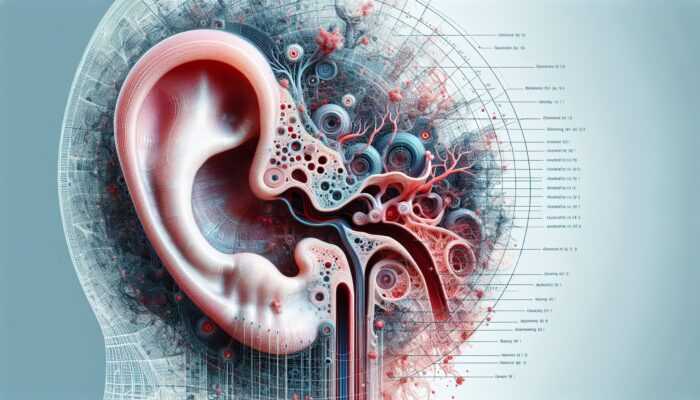
Exit mobile version