Categories
Health & Wellness Hearing Protection

Limit Headphone Use Safely: The Essential Tips You Need

Understanding the Risks Associated with Excessive Headphone Usage

Identifying the Serious Threats of Hearing Loss

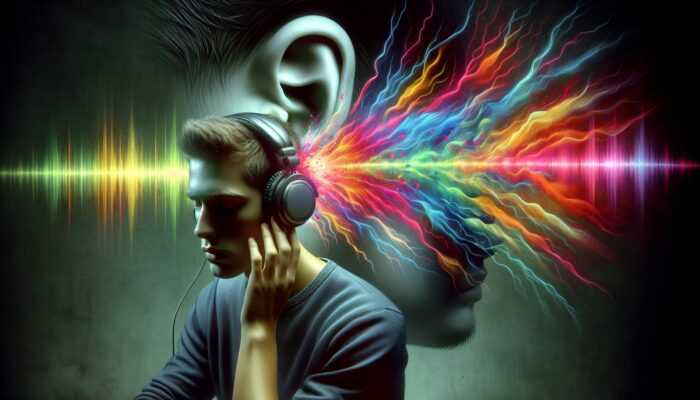
Young adult with headphones amidst sound waves, shadowed by hearing loss risk.

The allure of immersive audio experiences through headphones can be overwhelmingly enticing. Nonetheless, prolonged exposure to loud music poses significant challenges to our auditory health and overall well-being. Numerous studies highlight that routinely listening to music at high volumes can lead to irreversible hearing loss. This danger is particularly pronounced among young adults and teenagers, who often misjudge the long-term consequences of their listening habits. Since noise-induced hearing loss is permanent and cannot be undone, it is crucial to understand the perils linked to excessive headphone use to safeguard your hearing health effectively.

Recent statistics reveal a disconcerting trend: approximately 1 in 5 teenagers in developed nations suffer from varying degrees of hearing loss, primarily due to loud headphone usage. Leading global health organisations advocate for safe listening practices and strongly encourage users to remain conscious of their volume levels. Adopting the 60/60 rule, which suggests listening at no more than 60% volume for a maximum duration of 60 minutes, offers a practical guideline for healthier listening habits. This straightforward yet effective approach can significantly mitigate the dangers associated with high-volume listening behaviours, fostering a more responsible audio culture.

Many individuals fail to recognise the frequency of temporary symptoms, such as ringing in the ears or muffled sounds, following prolonged loud listening sessions—these are crucial warning signals of potential auditory damage. If left unaddressed, these symptoms may escalate into more severe conditions requiring medical intervention. Prioritising your hearing protection should be a fundamental concern, especially in today’s era where high-fidelity audio technology is readily available and widely used.

Examining the Relationship Between Headphone Use and Mental Well-Being

Headphones provide a personal gateway to the world of music, podcasts, and audiobooks, offering a much-needed retreat from the chaos of daily life. However, excessive use of these devices can lead to unintended adverse effects, particularly concerning mental health. Research indicates a strong correlation between overusing headphones and increased feelings of anxiety and depression. Users may find themselves withdrawing from social interactions, relying on this auditory escape as a substitute for meaningful connections with others.

The cultural shift towards virtual communication has solidified headphones as an integral part of our daily lives. This trend can foster a sense of disconnection, as individuals often tune out their immediate surroundings and interactions. Such self-imposed isolation can heighten feelings of loneliness, particularly in urban environments where community ties tend to weaken. Actively engaging with the world around you—through conversations, social events, or simple greetings—provides essential social support that headphones cannot replicate or replace.

Mental wellness is intricately linked to our social interactions and connections. To combat the potential negative effects of excessive headphone use, consider integrating regular breaks into your daily routine to enhance social engagement. Reestablishing connections with friends and family can rejuvenate your mental state, ultimately leading to a more balanced and fulfilling lifestyle, free from the constraints of isolation.

Recognising Physical Discomfort Linked to Headphone Use

While the convenience offered by headphones is undeniable, it often masks the physical discomfort that can arise from excessive use. Extended listening sessions can lead to ear pain, headaches, and neck tension. Poor positioning and an inadequate fit frequently exacerbate these issues; headphones that do not fit properly can exert unnecessary pressure on the ears and surrounding muscles. The increase in remote work and online learning has only intensified our reliance on headphones, often resulting in longer and more frequent listening sessions.

A study conducted by a prominent global health organisation revealed that nearly 70% of regular headphone users report experiencing discomfort following extensive use. Although this discomfort may seem trivial initially, it can escalate into chronic pain, adversely affecting overall quality of life. Investing in ergonomic headphone designs can dramatically improve your experience. Look for headphones prioritising comfort while delivering excellent sound quality without requiring high volume levels.

Incorporating regular breaks into your headphone usage is vital for mitigating physical strain. Engaging in simple stretches or short walks can relieve discomfort and enhance circulation. Setting a timer to remind you to take breaks can also be beneficial. Being attuned to your body’s signals is essential—if discomfort arises, it is important to heed these warnings. The goal is to relish your audio experiences without compromising your physical health and overall well-being.

Evaluating the Heightened Risk of Ear Infections

Close-up of ear canal with bacteria, showing infection risk from headphone use.

The close contact inherent in headphone use raises significant concerns regarding hygiene and overall health. Ear infections are not merely annoying; they can lead to severe complications if left untreated. Prolonged headphone use can create a warm, moist environment within the ear canal, providing an ideal breeding ground for bacteria. Research indicates that individuals who frequently wear headphones, especially in shared or public spaces, are at an increased risk of developing these infections.

Implementing preventive measures is crucial for safeguarding your ear health. One effective strategy is to maintain cleanliness; regularly cleaning your headphones with an alcohol wipe and avoiding sharing them can significantly reduce bacterial transfer. Moreover, consider choosing over-the-ear headphones instead of in-ear models, as the latter tends to trap moisture and earwax more effectively, thus increasing the likelihood of infections.

Monitoring your ear health is another critical aspect of prevention. If you experience symptoms such as pain, itchiness, or unusual discharge, it is vital to consult a healthcare professional without delay. Proactive measures can protect your hearing and enable you to enjoy your music without the anxiety of adverse health consequences.

Identifying Distractions and Safety Hazards Linked to Headphone Use

Utilising headphones while navigating busy streets or public areas introduces numerous safety concerns that cannot be overlooked. The immersive nature of audio can lead to dangerous distractions, as users may become oblivious to their surroundings. Research has shown that pedestrians wearing headphones are significantly less aware of their environment, resulting in an increased likelihood of accidents and injuries.

Awareness is essential when indulging in your favourite tunes or podcasts. It is important to remain vigilant about your surroundings and consider limiting headphone use in high-traffic areas or during activities requiring full attention, such as driving or cycling. Striking a balance between enjoying audio content and prioritising safety should always lean towards caution—your life and well-being are priceless.

In various urban locations worldwide, laws are evolving to address headphone use while driving or walking. For instance, some cities have implemented regulations prohibiting headphone use in designated pedestrian zones to enhance safety. As a global community, it is crucial to raise awareness about these risks and advocate for safer listening practices that promote public health.

Establishing Safe Volume Guidelines for Headphone Usage

Applying the 60/60 Rule for Safe Listening Practices

Person with earbuds, volume at 60%, 60-minute timer, surrounded by audio devices, promoting safe listening.

The 60/60 rule serves as a straightforward yet highly effective method for managing your listening habits in a world saturated with high-quality sound. By adhering to the guideline of listening at no more than 60% volume for a maximum duration of 60 minutes, you can enjoy your favourite audio content while safeguarding your hearing health. This rule is especially vital in an age where earbuds and headphones are ubiquitous, often leading users to unknowingly exceed safe volume levels.

Research conducted by reputable global health organisations underscores the importance of regulating volume levels. Exposure to sound levels exceeding 85 decibels can be detrimental, especially when sustained over extended periods. Unfortunately, many popular listening devices can easily surpass this threshold, making it imperative for users to remain vigilant. Adopting the 60/60 rule not only aids in preserving auditory health but also encourages users to take mindful breaks, fostering a healthier relationship with sound.

To further enhance your listening experience, consider setting reminders or using applications that automatically adjust volume levels according to your preference. Such tools can help keep you accountable and mindful of your auditory habits. Remember, prioritising your hearing health today can pave the way for a lifetime of enjoyment from your favourite sounds without the risk of damage.

Employing Volume Limiters for Effective Hearing Protection

Modern technology offers numerous avenues for protecting your hearing, with the use of volume limiters standing out as one of the most effective strategies. Many devices, including smartphones and tablets, come equipped with settings that allow users to cap the maximum volume output. This simple adjustment can act as a safeguard against accidental exposure to harmful sound levels, providing peace of mind for users of all ages.

When setting volume limits, consider your typical listening environment. If you often find yourself in noisy settings, it may be tempting to increase the volume. Instead, opt for high-quality headphones featuring noise-cancellation capabilities. This way, you can enjoy your audio at safer volumes without compromising on sound quality, ensuring a more pleasurable listening experience.

Furthermore, educating younger users about the importance of volume limiters is paramount. Children and teenagers are particularly vulnerable to hearing damage, making it essential to instil safe listening practices from an early age. In a rapidly evolving technological landscape, ensuring that the next generation understands how to utilise these features responsibly is a shared responsibility among caregivers and educators.

Scheduling Regular Hearing Evaluations for Proactive Care

Proactively monitoring your hearing is an often-overlooked aspect of maintaining auditory health. Regular hearing evaluations are crucial for individuals of all ages, particularly for those who frequently use headphones. Audiologists recommend scheduling these assessments at least once a year for adults and even more frequently for younger users or those experiencing any symptoms.

During a hearing evaluation, audiologists can provide valuable insights into any potential issues and recommend appropriate adjustments to your listening habits. Tracking changes in your hearing can aid in identifying harmful patterns early, allowing you to make informed decisions regarding your audio consumption habits.

Additionally, advancements in technology have made it easier than ever to monitor your hearing health. Several mobile applications can conduct preliminary hearing tests, offering a convenient way to check your auditory status regularly. While these apps do not replace professional evaluations, they serve as useful tools for fostering self-awareness about your hearing health and the effects of headphone use.

Integrating Breaks into Your Listening Routine

The Crucial Importance of Breaks for Sustaining Ear Health

Taking regular breaks from headphone use is not merely a suggestion; it is essential for maintaining auditory health. Continuous exposure to sound can lead to auditory fatigue, thereby increasing the risk of hearing damage. Implementing structured breaks allows your ears to recuperate, ensuring that your listening experiences remain both enjoyable and safe in the long run.

The cumulative effects of prolonged listening can lead to a condition known as temporary threshold shift, where you may experience reduced hearing sensitivity following extended exposure to sound. This phenomenon is common among enthusiastic headphone users and serves as a warning that your ears require a break. Experts strongly recommend adhering to the 60/60 rule, but incorporating breaks every hour can further enhance auditory health and protect your hearing.

Consider setting an alarm or timer to remind yourself to pause your audio sessions. Use this time to engage in non-auditory activities, such as stretching or enjoying nature. Such breaks not only benefit your hearing but also provide a mental reset, enhancing your overall well-being and alleviating stress.

Formulating a Structured Break Schedule to Foster Healthy Listening Habits

Creating a structured break schedule can be instrumental in cultivating healthy listening habits. By planning your listening sessions and integrating breaks at regular intervals, you foster a balance that protects your hearing while allowing you to enjoy audio content without compromising your health.

Establishing a routine can be particularly effective for students and professionals who rely on audio for studying or work. For example, if you typically listen to music while studying, aim for 50 minutes of focused listening followed by a 10-minute break. During these breaks, take a moment to step away from your devices—this practice is essential for both your hearing health and mental clarity.

Encourage friends and family to join you in adopting structured break schedules. Sharing the experience of mindful listening can reinforce positive habits and foster a supportive community focused on auditory health and well-being.

Engaging in Non-Auditory Activities During Listening Breaks

The activities you choose to engage in during breaks can significantly influence your overall well-being. Participating in non-auditory pursuits not only provides your ears with much-needed rest but also offers physical and mental benefits. The options are limitless: from stretching and moving your body to practising mindfulness or even engaging in light conversation.

Physical activity is particularly beneficial during these breaks. Simple stretches or short walks can enhance circulation and alleviate tension, contributing to improved mood and focus. Consider stepping outside to enjoy fresh air and natural surroundings—this type of engagement with the environment promotes mental well-being, especially in an increasingly digital world.

Fostering creativity during your breaks can yield positive outcomes as well. Consider journaling, sketching, or meditating during your downtime. Engaging in activities that resonate with you can transform break times into valuable opportunities for personal growth and relaxation, enriching your daily routine.

Selecting the Most Appropriate Headphones

Discovering the Advantages of Noise-Cancelling Headphones

Investing in headphones equipped with noise-cancelling features can dramatically enhance your listening experience. Noise-cancelling technology effectively reduces ambient sounds, allowing users to enjoy audio at lower volumes. This capability is particularly beneficial in noisy environments, such as public transport, bustling cafes, or busy city streets, where sound quality can often be compromised.

Research indicates that users who opt for noise-cancelling headphones tend to listen at lower volumes, thereby substantially lowering the risk of hearing damage. In a world filled with loud sounds, this technology is not merely a luxury but a necessary precaution for preserving auditory health and ensuring a more enjoyable listening experience.

While noise-cancelling headphones may come at a higher price point, the investment can pay off significantly in terms of protecting your hearing health and enhancing overall enjoyment. Whether you are an avid traveller or someone who cherishes moments of peace while working, the benefits of utilising noise-cancelling headphones are undeniably impactful.

Emphasising Comfort and Fit When Choosing Headphones

The importance of comfort in selecting headphones cannot be overstated. Well-fitting headphones minimise physical discomfort and enable longer listening sessions without strain. Poorly fitting headphones can lead to ear pain and headaches, detracting from the enjoyment of your audio experience and potentially leading to negative listening habits.

When choosing headphones, prioritise models that are adjustable and offer various ear tip sizes to ensure a personalised fit. Over-ear designs may provide more comfort for prolonged use, while in-ear options might be more suitable for those seeking portability and convenience. Always consider trying out several different pairs to find the one that best suits your needs and preferences.

Additionally, many brands now offer ergonomic designs specifically aimed at maximising comfort during extended use. Investing in high-quality headphones not only enhances sound quality but also guarantees a pleasant listening experience that supports safe audio habits and promotes long-term auditory health.

Ensuring Durability and Quality When Selecting Headphones

Durability and quality are paramount when choosing headphones, particularly for regular users. Investing in high-quality headphones ensures that you receive exceptional sound performance and comfort—both critical for safe listening. Cheaper models may save you money upfront but often compromise on sound quality and durability, leading to increased wear and tear over time.

Look for headphones crafted from quality materials that can withstand daily use. Research from audio enthusiasts and reviewers can help guide you in identifying brands known for producing reliable headphones. Recommendations based on user experiences can also provide valuable insights into which models are built to last and deliver consistent performance.

In a rapidly evolving technological landscape, selecting headphones that can adapt to your changing needs is essential. Features such as wireless connectivity, comfort, and sound quality should inform your purchasing decision. Ultimately, a thoughtful investment in high-quality headphones will benefit your auditory health and enjoyment for years to come, ensuring that you make the most of your listening experiences.

Promoting Education and Awareness Around Safe Headphone Practices

Engaging in Awareness Campaigns to Support Auditory Health

Participating in awareness campaigns focused on safe headphone use can significantly impact community health. These initiatives provide essential information on the risks associated with excessive headphone use and promote safe listening practices. Global organisations frequently host events aimed at educating the public, and getting involved in such activities can amplify your voice while fostering a culture of awareness within your community.

Consider organising local workshops or seminars centred around sharing knowledge about auditory health. Collaborate with audiologists or public health professionals to present current research and recommendations. Communities greatly benefit from grassroots campaigns that empower individuals to take charge of their hearing health and encourage safe practices among peers.

Utilising social media platforms can further enhance your outreach efforts. Share informative posts, personal experiences, or tips on safe headphone use with your network. These platforms can serve as powerful tools for disseminating information and initiating discussions about auditory health on a global scale, creating a more informed public.

Disseminating Knowledge on Safe Listening Practices

Education becomes most impactful when it is shared. By informing friends and family about the dangers associated with headphone overuse and the importance of safe listening practices, you can help cultivate a more health-conscious community. Initiate conversations about auditory health during gatherings or share informative articles and videos that highlight essential points for safe headphone use.

Encouraging discussions about each other’s listening habits can inspire behaviour changes and mutual support. Establish family guidelines for headphone use, especially for children, to ensure safe practices are integrated into daily life. Empowering others with knowledge creates a ripple effect, ultimately leading to increased awareness about the importance of safe headphone use and fostering a culture of health.

Connecting with online communities or forums dedicated to auditory health can also provide valuable insights and shared experiences. Exchanging tips and resources with like-minded individuals enhances your understanding of the importance of safe listening habits and encourages a collaborative approach to auditory health.

Staying Informed on Auditory Health Research and Guidelines

In a continuously evolving world, staying informed about the latest research and recommendations regarding safe headphone use is vital. Regularly reading articles, scientific studies, and news updates related to auditory health can equip you with current knowledge, empowering you to make informed decisions about your listening habits.

Subscribing to reputable health organisations or audiology journals can keep you abreast of emerging trends and technologies in the field. Understanding the science behind hearing health enables you to advocate for safe practices effectively within your community and engage in informed discussions with others.

Attending conferences or seminars on auditory health provides additional opportunities to learn from experts. Networking with professionals in the field can lead to valuable insights and resources that you can share with your community. Being proactive in your learning journey benefits not only you but also contributes to the collective knowledge about safe headphone use and promotes awareness.

Monitoring Your Listening Habits for Enhanced Auditory Health

Maintaining a Listening Diary for Personal Insight

Tracking your headphone usage through a listening diary can unveil valuable patterns and insights about your habits. Documenting when and how long you listen can help identify potential risks associated with excessive use. Are there specific times of day when you tend to listen more? Do you frequently increase the volume in noisy environments?

A listening diary can also serve as a motivational tool. By visualising your listening habits, you can set goals for reducing excessive use or incorporating more breaks into your routine. This simple yet effective method fosters self-awareness and accountability regarding your audio consumption, ultimately leading to healthier listening practices.

Involving friends or family members in this journaling practice can amplify its effectiveness. Sharing your findings can create a supportive environment for everyone to prioritise their auditory health and make positive changes together, reinforcing the importance of safe listening habits.

Utilising Technology: Apps and Tools for Monitoring Listening Patterns

The digital age offers a plethora of tools and apps designed to help users monitor and limit headphone use. Many of these applications allow users to track listening habits, establish time limits, and receive reminders to take breaks. Utilising technology in this manner can provide an additional layer of accountability for those seeking to protect their hearing.

Explore apps that provide auditory feedback, indicating when you’ve reached potentially harmful volume levels. These tools can empower you to make informed decisions regarding your listening habits while helping you adhere to guidelines such as the 60/60 rule for safe listening.

Additionally, engage with online communities to discover which apps others find most beneficial. Sharing insights and experiences about technology can enhance your understanding of how to effectively manage your audio consumption and promote safe practices within your social circles.

Reflecting on Your Listening Habits for Continuous Improvement

Regularly reflecting on your headphone usage is crucial for ensuring that your habits align with safe practices. Take time to consider how often you listen, the environments in which you typically use headphones, and any symptoms of discomfort. This self-reflection can lead to valuable insights about areas needing improvement and adjustments in your listening behaviour.

Dedicate time each week to assess your listening habits and identify any necessary adjustments. Have there been instances where you found yourself listening at high volumes? Were there days when you exceeded your usual listening time? This ongoing reflection can guide you in establishing healthier listening habits moving forward, ensuring that your audio experiences remain enjoyable and safe.

Encouraging friends or family to join you in this reflective practice can enhance accountability and promote a culture of safe listening. Together, you can create shared goals and celebrate milestones related to improving your auditory health and well-being.

Encouraging Alternatives to Headphone Usage

Opting for Speakers to Minimise Ear Strain

Choosing speakers over headphones can be a refreshing alternative that promotes safer listening levels. While headphones offer an immersive experience, using speakers allows you to enjoy sound without direct exposure to your ears. This method is particularly beneficial in social settings, where shared listening can enrich bonding experiences and foster connections among friends and family.

Consider setting up a speaker system in your home or office, enabling you to enjoy music, podcasts, or audiobooks without the associated risks of headphone use. By creating a vibrant audio environment, you can engage with your surroundings and encourage a more communal listening experience that enhances social interactions.

Moreover, using speakers can help promote mindfulness about volume levels, as it is generally easier to manage loudness when sound is projected into a room rather than directly into your ears. This approach can encourage healthier listening habits and ensure that everyone can enjoy the audio without risking hearing damage.

Advocating for Open-Ear Devices for Safer Listening Practices

Open-ear devices, such as bone conduction headphones, present an innovative alternative to traditional headphones. These cutting-edge devices transmit sound through the bones in your skull, allowing users to hear ambient sounds while enjoying audio content. This design minimises isolation and fosters awareness of one’s surroundings, making it a safer choice for outdoor activities, exercise, and commuting.

Research indicates that individuals utilising open-ear devices report a more balanced auditory experience, enabling them to stay aware of their environment without sacrificing sound quality. This technology is particularly advantageous for runners and cyclists who need to remain alert while enjoying music or podcasts, ensuring that they can enjoy their audio without compromising safety.

Encouraging the adoption of open-ear devices among friends and family can help cultivate a culture of safe listening practices. By showcasing the benefits of this innovative technology, you can assist others in prioritising both their auditory enjoyment and safety, fostering a community centred around responsible listening habits.

Commonly Asked Questions Regarding Safe Headphone Use

What are the potential risks of excessive headphone use?

Excessive headphone use can lead to irreversible hearing loss, social isolation, heightened anxiety, physical discomfort, and an increased risk of ear infections. Being aware of these risks is crucial for protecting your auditory health and maintaining overall well-being.

How can I establish safe listening levels?

Adhere to the 60/60 rule: listen at 60% volume for no more than 60 minutes. Utilising volume limiters and scheduling regular hearing check-ups can also aid in maintaining safe listening levels, ensuring that your audio experiences remain enjoyable and healthy.

Why are breaks essential during headphone use?

Taking regular breaks prevents auditory fatigue, lowers the risk of hearing damage, and gives your ears a chance to recover. Consistent breaks also enhance your mental clarity and contribute to your overall well-being, making your listening experiences more enjoyable.

What should I consider when selecting headphones?

Look for noise-cancelling features, ensure a comfortable fit, and invest in durable, high-quality headphones. Prioritise models that deliver excellent sound quality while minimising the risk of physical discomfort, enhancing your overall listening experience.

How can I educate others about safe headphone practices?

Share knowledge through discussions, social media, and awareness campaigns. Organising local workshops or collaborating with health professionals can also amplify your impact on spreading awareness about safe listening practices.

What tools can assist me in monitoring my listening habits?

Consider using apps designed to track headphone usage, set time limits, and remind you to take breaks. These tools can help keep you accountable and support the maintenance of safe listening practices, ensuring that you protect your hearing effectively.

What activities can I engage in during breaks from headphones?

Participate in non-auditory activities such as stretching, walking, journaling, or socialising. These activities promote both physical and mental well-being while providing your ears with a much-needed rest and a break from sound.

How do open-ear devices enhance safety?

Open-ear devices like bone conduction headphones allow users to hear ambient sounds while enjoying audio content, fostering awareness of surroundings and reducing feelings of isolation during outdoor activities and in social situations.

Why are regular hearing check-ups necessary?

Regular check-ups help monitor changes in your hearing and identify potential issues early on. They provide valuable insights into your auditory health and effective listening habits, ensuring that you maintain your hearing effectively.

What are the benefits of noise-cancelling headphones?

Noise-cancelling headphones diminish ambient noise, allowing users to enjoy audio at lower volumes. This feature significantly reduces the risk of hearing damage while enhancing the overall listening experience, making it a worthwhile investment for auditory health.

Explore our journey on X!

The post Limit Headphone Use Safely: Your Essential Guide appeared first on The Microsuction Ear Wax Removal Network.

Categories
Health & Wellness Hearing Protection

Limit Headphone Use Safely: A Key Guide for Your Ears

Understanding the Risks of Excessive Headphone Use and Protecting Your Hearing

Identifying the Serious Risks of Hearing Loss from Headphone Overuse

Young adult with headphones amidst sound waves, shadowed by hearing loss risk.

The allure of experiencing immersive audio through headphones can be irresistibly captivating. Nonetheless, persistent exposure to loud music poses significant threats to our auditory health. Extensive research indicates that regularly listening to music at high volumes can lead to irreversible hearing loss. This risk is particularly pronounced among younger individuals, especially teenagers, who often underestimate the long-term impacts of their listening habits. Given that noise-induced hearing loss is permanent and cannot be repaired, it is vital to understand the dangers associated with excessive headphone usage to preserve your hearing effectively.

Recent statistics reveal a troubling trend: approximately 1 in 5 teenagers in developed countries suffer from varying levels of hearing loss linked to loud headphone usage. Many prominent global health organisations advocate for the adoption of safe listening practices and encourage users to remain vigilant regarding their volume settings. Adhering to the 60/60 rule, which advises listening at no more than 60% volume for a maximum of 60 minutes, can serve as an effective guideline. Implementing this straightforward strategy can significantly mitigate the risks associated with high-volume listening behaviours.

A considerable number of individuals fail to recognise the frequency of experiencing temporary symptoms such as ringing or muffled hearing following a loud listening session—these are critical indicators of potential auditory damage. If these warning signs are ignored, they can escalate into more severe conditions necessitating medical intervention. Safeguarding your hearing should be a fundamental priority, particularly in a time when high-quality audio technology is readily available and widely used.

Investigating the Link Between Headphone Usage and Mental Health Challenges

Headphones act as a personal escape into music, podcasts, and audiobooks, providing a respite from the noise of the external environment. However, excessive use can lead to unforeseen negative consequences, particularly concerning mental health. Studies suggest a significant correlation between the overuse of headphones and heightened feelings of anxiety and depression. Users often find themselves socially withdrawing, relying on this auditory escape as a substitute for real-life interactions with others.

The cultural shift towards virtual communication has solidified headphones as an integral part of our daily lives. This trend can contribute to a sense of disconnection, as individuals frequently tune out their immediate surroundings. Such self-imposed isolation can amplify feelings of loneliness, especially in urban environments where community connections are typically weaker. Actively engaging with the world around you—through conversations, social gatherings, or even casual greetings—offers essential social support that headphones cannot provide.

Mental well-being is intricately tied to our social interactions. To mitigate the potential adverse effects of excessive headphone use, consider incorporating regular breaks into your daily routine to foster social engagement. Re-establishing connections with friends and family can rejuvenate your mental state, ultimately leading to a more balanced and fulfilling lifestyle.

Recognising Physical Discomfort Linked to Headphone Use

While the convenience of headphones is undeniable, it often masks the physical discomfort they can cause when used excessively. Extended listening sessions can lead to ear pain, headaches, and neck strain. Poor positioning and improper fit often exacerbate these issues; headphones that do not fit properly can exert undue pressure on the ears and surrounding muscles. The rise of remote work and online learning has intensified our reliance on headphones, frequently resulting in longer and more frequent usage sessions.

A study conducted by a prominent global health organisation revealed that nearly 70% of regular headphone users report experiencing discomfort after extensive use. Although this discomfort may initially seem minor, it can evolve into chronic pain, adversely affecting overall quality of life. Investing in ergonomic headphone designs can vastly improve your experience. Seek out headphones that prioritise comfort while delivering exceptional sound quality without necessitating high volume levels.

Incorporating breaks into your headphone usage is essential for alleviating physical strain. Simple stretches or brief walks can help alleviate discomfort and enhance circulation. Setting a timer to remind you to take breaks can also be beneficial. It is crucial to be attuned to your body’s signals—if discomfort arises, pay attention to the warning. The goal is to enjoy your audio experiences without compromising your physical health and well-being.

Evaluating the Increased Risk of Ear Infections from Headphone Use

Close-up of ear canal with bacteria, showing infection risk from headphone use.

The close contact associated with headphone usage raises substantial concerns regarding hygiene and overall health. Ear infections are not just a nuisance; they can lead to severe complications if left untreated. Prolonged headphone use can create a warm, moist environment in the ear canal, providing an ideal breeding ground for bacteria. Research indicates that individuals who frequently wear headphones, particularly in shared or public settings, are at an elevated risk of developing these infections.

Taking preventive measures is crucial to protecting your ear health. One effective strategy is maintaining cleanliness; routinely cleaning your headphones with an alcohol wipe and refraining from sharing them can significantly reduce the risk of bacterial transfer. Additionally, consider opting for over-the-ear headphones rather than in-ear models, as the latter tend to trap moisture and wax more effectively, increasing the likelihood of infection.

Monitoring your ear health is another essential component of prevention. If you experience symptoms such as pain, itchiness, or unusual discharge, it is critical to consult a healthcare professional promptly. Proactive measures can safeguard your hearing and allow you to enjoy your music without the fear of adverse health consequences.

Awareness of Distractions and Safety Risks Linked to Headphone Use

Using headphones while navigating busy streets or public areas introduces various safety concerns that must not be overlooked. The immersive quality of audio can lead to dangerous distractions, causing users to become oblivious to their surroundings. Research has shown that pedestrians wearing headphones are significantly less aware of their environment, which results in a heightened likelihood of accidents.

Awareness is essential when enjoying your favourite tunes or podcasts. Stay alert to your surroundings, and consider limiting headphone use in high-traffic areas or during activities that demand full attention, such as driving or cycling. Striking a balance between enjoying audio content and prioritising safety should always err on the side of caution—your life and well-being are invaluable.

In various urban areas worldwide, laws are evolving to address headphone use while driving or walking. Some cities have enacted regulations prohibiting headphone use in designated pedestrian zones to enhance safety. As a global community, it is imperative to raise awareness about these risks and advocate for safer listening practices.

Setting Safe Volume Levels for Responsible Headphone Use

Applying the 60/60 Rule for Safe Listening Practices

Person with earbuds, volume at 60%, 60-minute timer, surrounded by audio devices, promoting safe listening.

The 60/60 rule is a straightforward yet highly effective strategy for managing your listening habits in a world saturated with high-quality audio experiences. By adhering to the guideline of listening at no more than 60% volume for a maximum duration of 60 minutes, you can relish your favourite audio content while protecting your hearing health. This rule is particularly crucial in an age where earbuds and headphones are omnipresent, often leading users to unknowingly exceed safe volume thresholds.

Research conducted by global health organisations underscores the critical importance of volume regulation. Exposure to sound levels exceeding 85 decibels can be damaging, particularly when sustained over extended periods. Unfortunately, many popular listening devices can easily surpass this threshold, making it vital for users to remain vigilant. Embracing the 60/60 rule not only aids in preserving auditory health but also encourages users to take mindful breaks, fostering a healthier relationship with sound.

To further enhance your listening experience, consider setting reminders or using apps that automatically adjust volume levels according to your preferences. Such tools can help keep you accountable and mindful of your auditory habits. Remember, prioritising your hearing health today can pave the way for a lifetime of enjoyment from your favourite sounds.

Leveraging Volume Limiters for Effective Hearing Protection

Modern technology offers numerous opportunities for protecting your hearing, with the use of volume limiters being one of the most effective strategies available. Many devices, including smartphones and tablets, come equipped with settings that allow users to cap the maximum volume output. This simple adjustment can serve as a safeguard against accidental exposure to harmful sound levels, providing peace of mind for users of all ages.

When setting volume limits, consider your typical listening environment. If you often find yourself in noisy settings, it may be tempting to raise the volume. Instead, opt for high-quality headphones that feature noise-cancellation capabilities. This way, you can enjoy your audio at safer volumes without compromising sound quality.

Moreover, educating younger users about the importance of volume limiters is crucial. Children and teenagers are particularly vulnerable to hearing damage, making it essential to instil safe listening practices from an early age. In a rapidly evolving technological landscape, ensuring that the next generation understands how to utilise these features responsibly is a shared responsibility among caregivers and educators.

Scheduling Regular Hearing Check-ups for Proactive Auditory Care

Proactively monitoring your hearing is an often-overlooked aspect of maintaining auditory health. Regular hearing check-ups are essential for individuals of all ages, especially those who frequently use headphones. Audiologists recommend scheduling these evaluations at least once a year for adults and even more frequently for younger users or those experiencing any symptoms.

During a hearing evaluation, audiologists can provide valuable insights into any potential issues and recommend appropriate adjustments to your listening habits. Tracking changes in your hearing can aid in identifying harmful patterns early on, allowing you to make informed decisions regarding your audio consumption.

Additionally, advancements in technology have made it easier than ever to monitor your hearing health. Several mobile apps can conduct preliminary hearing tests, offering a convenient way to check your auditory status regularly. While these apps do not replace professional evaluations, they serve as useful tools for fostering self-awareness about hearing health.

Integrating Breaks into Your Listening Routine for Better Hearing

The Vital Importance of Taking Breaks to Maintain Ear Health

Taking regular breaks from headphone use is not merely a recommendation; it is essential for sustaining auditory health. Continuous exposure to sound can lead to auditory fatigue, thereby increasing the risk of hearing damage. Implementing structured breaks allows your ears to recuperate, ensuring that your listening experiences remain both enjoyable and safe.

The cumulative effects of prolonged listening can result in a condition known as temporary threshold shift, where you may experience reduced hearing acuity following extended exposure to sound. This phenomenon is common among avid headphone users and serves as a warning that your ears require a break. Experts recommend adhering to the 60/60 rule, but incorporating breaks every hour can further enhance auditory health.

Consider setting an alarm or timer to remind yourself to pause your audio sessions. Use this time to engage in non-auditory activities such as stretching or enjoying nature. Such breaks not only benefit your hearing but also provide a mental reset, enhancing your overall well-being.

Creating a Structured Break Schedule to Foster Healthy Listening Habits

Developing a structured break schedule can be instrumental in cultivating healthy listening habits. By planning your listening sessions and integrating breaks at regular intervals, you foster a balance that protects your hearing while allowing you to enjoy audio content.

Establishing a routine can be particularly effective for students and professionals who rely on audio for studying or work. For instance, if you typically listen to music while studying, aim for 50 minutes of focused listening followed by a 10-minute break. During these breaks, take a moment to step away from your devices—this practice is essential for both your hearing health and mental clarity.

Encourage friends and family to join you in adopting structured break schedules. Sharing the experience of mindful listening can reinforce positive habits and foster a supportive community focused on auditory health.

Engaging in Meaningful Activities During Listening Breaks

What you choose to do during breaks can significantly impact your overall well-being. Participating in non-auditory activities not only provides your ears with a much-needed rest but also offers physical and mental benefits. The options are vast: from stretching and moving your body to practising mindfulness or even engaging in light conversation.

Physical activity is particularly advantageous during these breaks. Simple stretches or short walks can enhance circulation and alleviate tension, contributing to improved mood and focus. Consider stepping outside to enjoy fresh air and natural surroundings—this type of engagement with the environment promotes mental well-being, especially in an increasingly digital world.

Fostering creativity during your breaks can also yield positive outcomes. Consider journaling, sketching, or meditating during your downtime. Engaging in activities that resonate with you can transform break times into opportunities for personal growth and relaxation.

Selecting the Right Headphones for Your Needs

Exploring the Advantages of Noise-Cancelling Headphones

Investing in headphones equipped with noise-cancelling features can significantly elevate your listening experience. Noise-cancelling technology effectively diminishes ambient sounds, allowing users to enjoy audio at lower volumes. This capability is particularly beneficial in noisy environments such as public transport, bustling cafes, or busy city streets.

Research indicates that users who opt for noise-cancelling headphones tend to listen at lower volumes, thereby substantially decreasing the risk of hearing damage. In a world filled with loud sounds, this technology is not just a luxury but a crucial precaution for preserving auditory health.

While noise-cancelling headphones may come at a higher price point, the investment can yield significant returns in terms of protecting your hearing health and enhancing overall enjoyment. Whether you are an enthusiastic traveller or simply appreciate moments of tranquillity while working, the benefits of utilising noise-cancelling headphones are undeniable.

Prioritising Comfort and Fit When Choosing Headphones

The importance of comfort in selecting headphones cannot be overstated. Well-fitting headphones minimise physical discomfort and enable longer listening sessions without strain. Poorly fitted headphones can lead to ear pain and headaches, detracting from the enjoyment of your audio experience.

When selecting headphones, opt for models that are adjustable and come with various ear tip sizes to ensure a personalised fit. Over-ear designs may provide more comfort for prolonged use, while in-ear options might be more suitable for those seeking portability. Always consider trying on several different pairs to find the one that best meets your individual needs.

Additionally, many brands now offer ergonomic designs specifically aimed at maximising comfort during extended use. Investing in high-quality headphones not only enhances sound quality but also guarantees a pleasant listening experience that supports safe audio habits.

Ensuring Durability and Quality in Your Headphone Choices

Durability and quality are paramount when selecting headphones, especially for regular users. Investing in high-quality headphones ensures that you receive exceptional sound performance and comfort—both critical for safe listening. Cheaper models may save you money upfront but often compromise on sound quality and durability, leading to increased wear and tear over time.

Look for headphones crafted from quality materials that can withstand daily use. Research from audio enthusiasts and reviewers can guide you in identifying brands known for producing reliable headphones. Recommendations based on user experiences can also provide valuable insights into which models withstand the test of time.

In a rapidly evolving technological landscape, it’s essential to choose headphones that can adapt to your changing needs. Features such as wireless connectivity, comfort, and sound quality should inform your purchasing decision. Ultimately, a thoughtful investment in high-quality headphones will benefit both your auditory health and enjoyment for years to come.

Promoting Awareness and Education Surrounding Safe Headphone Use

Engaging in Awareness Campaigns for Auditory Health Improvement

Participating in awareness campaigns focused on safe headphone use can significantly influence community health. These initiatives provide essential information regarding the risks associated with excessive headphone use and promote safe listening practices. Global organisations frequently host events aimed at educating the public, and getting involved in such activities can amplify your message while fostering a culture of awareness within your community.

Consider organising local workshops or seminars centred on sharing knowledge about auditory health. Collaborate with audiologists or public health professionals to present current research and recommendations. Communities greatly benefit from grassroots campaigns that empower individuals to take control of their hearing health and encourage safe practices.

Utilising social media platforms can also enhance your outreach efforts. Share informative posts, personal experiences, or tips on safe headphone use with your network. These platforms can serve as powerful tools for disseminating information and initiating discussions about auditory health on a global scale.

Spreading Knowledge About Safe Listening Practices

Education becomes most impactful when shared among individuals. By informing friends and family about the dangers associated with headphone overuse and the importance of safe listening practices, you can help foster a more health-conscious community. Initiate conversations about auditory health during gatherings, or share informative articles and videos that highlight essential points for safe headphone use.

Encouraging discussions about each other’s listening habits can inspire behavioural changes and mutual support. Establish family guidelines for headphone use, particularly for children, to ensure safe practices are integrated into daily life. Empowering others with knowledge creates a ripple effect, ultimately leading to increased awareness about the importance of safe headphone use.

Connecting with online communities or forums dedicated to auditory health can also provide valuable insights and shared experiences. Exchanging tips and resources with like-minded individuals enhances your understanding of the necessity for safe listening habits.

Staying Informed on Auditory Health Research and Recommendations

In a continuously evolving world, remaining informed about the latest research and recommendations regarding safe headphone use is vital. Regularly reading articles, scientific studies, and news updates related to auditory health can equip you with current knowledge, empowering you to make informed decisions about your listening habits.

Subscribing to reputable health organisations or audiology journals can keep you abreast of emerging trends and technologies in the field. Understanding the science behind hearing health enables you to advocate for safe practices effectively within your community.

Attending conferences or seminars on auditory health provides additional opportunities to learn from experts. Networking with professionals in the field can lead to valuable insights and resources that you can share with your community. Being proactive in your learning journey benefits not only yourself but also contributes to the collective knowledge about safe headphone use.

Monitoring Your Listening Habits for Enhanced Auditory Health

Maintaining a Listening Diary for Insightful Self-Reflection on Audio Consumption

Tracking your headphone usage through a listening diary can unveil valuable patterns and insights about your habits. Documenting when and how long you listen can help pinpoint potential risks associated with excessive use. Are there specific times of day when you tend to listen more? Do you frequently increase the volume in noisy settings?

A listening diary can also serve as a motivational tool. By visualising your listening habits, you can set goals for reducing excessive use or incorporating more breaks into your routine. This simple yet effective method fosters self-awareness and accountability concerning your audio consumption.

Engaging friends or family members in this journaling practice can amplify its effectiveness. Sharing your findings can create a supportive environment for everyone to prioritise their auditory health and make positive changes collectively.

Utilising Technology: Apps and Tools to Monitor Your Listening Habits

The digital age offers a plethora of tools and apps designed to assist users in monitoring and limiting headphone use. Many of these applications allow users to track listening habits, establish time limits, and receive reminders to take breaks. Utilizing technology in this manner can provide an additional layer of accountability for those seeking to protect their hearing.

Explore apps that provide auditory feedback, indicating when you’ve reached potentially harmful volume levels. These tools can empower you to make informed decisions regarding your listening habits while helping you adhere to guidelines such as the 60/60 rule.

Additionally, engage with online communities to discover which apps others find most beneficial. Sharing insights and experiences about technology can enhance your understanding of how to effectively manage your audio consumption and promote safe practices.

Reflecting on Your Listening Habits for Ongoing Improvement

Regularly reflecting on your headphone usage is crucial for ensuring that your habits align with safe practices. Take time to consider how often you listen, the environments in which you typically use headphones, and any symptoms of discomfort. This self-reflection can lead to valuable insights about areas needing improvement.

Dedicate time each week to assess your listening habits and identify any necessary adjustments. Have there been instances where you found yourself listening at high volumes? Were there days when you exceeded your usual listening time? This ongoing reflection can guide you in establishing healthier habits moving forward.

Encouraging friends or family to join you in this reflective practice can enhance accountability and promote a culture of safe listening. Together, you can create shared goals and celebrate milestones related to improving your auditory health.

Encouraging Alternatives to Headphone Usage for Safer Listening

Opting for Speakers When Feasible to Reduce Ear Strain

Choosing speakers over headphones can be a refreshing alternative that promotes safer listening levels. While headphones offer an immersive experience, using speakers allows you to enjoy sound without direct exposure to your ears. This method is particularly beneficial in social settings, where shared listening can enrich bonding experiences.

Consider setting up a speaker system in your home or office, enabling you to enjoy music, podcasts, or audiobooks without the associated risks of headphone use. By creating a vibrant audio environment, you can engage with your surroundings and encourage a more communal experience.

Moreover, using speakers can help promote mindfulness about volume levels, as it is easier to manage loudness when sound is projected into a room rather than directly into your ears.

Advocating for Open-Ear Devices for Safer Listening Practices

Open-ear devices, such as bone conduction headphones, present an innovative alternative to traditional headphones. These cutting-edge devices transmit sound through the bones in your skull, allowing users to hear ambient sounds while enjoying audio content. This design minimises isolation and fosters awareness of one’s surroundings, making it a safer choice for outdoor activities.

Research indicates that individuals utilising open-ear devices report a more balanced auditory experience, enabling them to stay aware of their environment without sacrificing sound quality. This technology is particularly advantageous for runners and cyclists who need to remain alert while enjoying music or podcasts.

Encouraging the adoption of open-ear devices among friends and family can help cultivate a culture of safe listening practices. By showcasing the benefits of this innovative technology, you can assist others in prioritising both their auditory enjoyment and safety.

Frequently Asked Questions About Safe Headphone Use

What are the potential dangers of excessive headphone use?

Excessive headphone use can lead to permanent hearing loss, social isolation, heightened anxiety, physical discomfort, and an increased risk of ear infections. Being aware of these risks is crucial for protecting your auditory health.

How can I establish safe listening levels?

Adhere to the 60/60 rule: listen at 60% volume for no more than 60 minutes. Utilising volume limiters and scheduling regular hearing check-ups can also aid in maintaining safe listening levels.

Why are breaks essential during headphone use?

Taking breaks prevents auditory fatigue, lowers the risk of hearing damage, and gives your ears a chance to recover. Regular breaks also enhance your mental clarity and contribute to your overall well-being.

What should I consider when selecting headphones?

Look for noise-cancelling features, ensure a comfortable fit, and invest in durable, high-quality headphones. Prioritise models that deliver excellent sound quality while minimising the risk of physical discomfort.

How can I educate others about safe headphone practices?

Share knowledge through discussions, social media, and awareness campaigns. Organising local workshops or collaborating with health professionals can also amplify your impact on spreading awareness.

What tools can assist me in monitoring my listening habits?

Consider using apps designed to track headphone usage, set time limits, and remind you to take breaks. These tools can help keep you accountable and support the maintenance of safe listening practices.

What activities can I engage in during breaks from headphones?

Participate in non-auditory activities such as stretching, walking, journaling, or socialising. These activities promote both physical and mental well-being while providing your ears with a much-needed rest.

How do open-ear devices enhance safety?

Open-ear devices like bone conduction headphones allow users to hear ambient sounds while enjoying audio content, fostering awareness of surroundings and reducing feelings of isolation.

Why are regular hearing check-ups necessary?

Regular check-ups help monitor changes in your hearing and identify potential issues early on. They provide valuable insights into your auditory health and effective listening habits.

What are the benefits of noise-cancelling headphones?

Noise-cancelling headphones diminish ambient noise, allowing users to enjoy audio at lower volumes. This feature significantly reduces the risk of hearing damage while enhancing the overall listening experience.

Explore our journey on X!

The post Limit Headphone Use Safely: Your Essential Guide appeared first on The Microsuction Ear Wax Removal Network.

The post Limit Headphone Use Safely: Your Essential Guide appeared first on Healthcare Marketing Service.

Categories
Health & Wellness Hearing Protection

Hearing Damage Prevention Tips for Safe Fireworks Use

Understanding the Risks of Fireworks on Your Hearing Health

Fireworks are a thrilling element of cultural celebrations worldwide, yet the serious risks they pose to our hearing health often go unnoticed. The loud, explosive sounds produced during these displays can reach dangerously high decibel levels, which can significantly threaten our auditory system. It is vital to comprehend how these vibrant festivities can adversely affect our hearing, particularly for those who regularly attend fireworks shows. By increasing awareness about these potential dangers, we can implement effective measures to safeguard our hearing while still relishing the excitement that fireworks contribute to our celebrations.

How Fireworks Cause Hearing Damage: The Science Explained

The explosive blasts emitted by fireworks generate a chaotic array of sounds that can reach perilously high decibel levels. The specific explosive reactions within fireworks create substantial noise due to the rapid expansion of gases, resulting in powerful sound waves. The delicate structures of the inner ear, which are responsible for converting sound vibrations into neural signals for the brain, are particularly susceptible to harm from these intense auditory events. Even a solitary exposure to the explosive sounds of fireworks can lead to a temporary threshold shift, where a person experiences a short-term reduction in their hearing ability. If exposure occurs frequently or is prolonged, the risk of permanent hearing loss escalates, as the fragile hair cells in the inner ear may suffer irreversible damage. This danger is notably heightened for those situated close to the explosions, where decibel levels can reach unsafe thresholds.

Decibel Levels and Sound Risks: What You Need to Know

Understanding the principles of sound is essential for comprehending the dangers associated with fireworks. The intensity of sound is quantified in decibels (dB), and it is widely recognised that sounds surpassing 85 dB can pose considerable risks to our hearing health. Fireworks typically exceed 140 dB, a level that can cause immediate and serious harm to hearing receptors. Sound intensity operates on a logarithmic scale; thus, an increase of 10 dB signifies a tenfold rise in sound intensity. This stark contrast highlights the vast difference in sound intensity between everyday noises, such as a normal conversation at about 60 dB, and the ear-splitting blasts of fireworks. Raising awareness of these sound levels empowers individuals to make informed decisions regarding their exposure to fireworks, especially during public celebrations and holidays when large crowds gather.

The Long-Term Impact of Repeated Fireworks Exposure on Hearing

Continued exposure to the loud sounds generated by fireworks can lead to immediate discomfort but may also have cumulative long-term effects. Over time, individuals may experience progressive hearing loss, often without realising it until significant auditory damage has transpired. Audiologists have documented that chronic exposure to high-decibel environments, including those created by fireworks, can result in a gradual decline in hearing ability. Moreover, this risk can be exacerbated by various factors, such as aging, pre-existing health conditions, and genetic predispositions. The threats are especially pronounced for those residing in bustling urban areas, where fireworks displays occur frequently.

Proven Strategies to Prevent Hearing Loss from Fireworks

Family at a safe distance from fireworks, wearing colorful ear protection, children adjusting earplugs, vibrant night sky.

Taking proactive steps to prevent hearing damage from fireworks begins with heightened awareness. Utilising ear protection, such as specialised earplugs or earmuffs designed for high-decibel environments, can significantly mitigate the risks associated with loud sounds. Maintaining a safe distance from the fireworks launch site is equally vital; the farther you are from the source of the explosions, the less intense the sound will be. Additionally, limiting the duration of exposure to fireworks is crucial to safeguard your hearing health. For families with children, instilling the habit of using ear protection from a young age can help nurture lifelong practices that protect their auditory well-being.

Essential Preparations for Safe Fireworks Viewing

Preparation is crucial in ensuring a responsible and enjoyable fireworks experience. By implementing preventative measures in advance, individuals can significantly reduce the likelihood of incurring hearing damage during such events.

Selecting the Right Ear Protection for Fireworks Events

Choosing appropriate ear protection is essential to prevent hearing damage from fireworks. Opting for earplugs specifically designed for high-decibel environments can drastically lower sound intensity while still allowing you to appreciate the visual spectacle. Earmuffs, particularly those rated for use at concerts or loud events, offer an additional layer of protection. Ensuring a proper fit is paramount; poorly fitting ear protection may compromise its effectiveness. Various options are available, ranging from disposable foam earplugs to reusable silicone alternatives, catering to different comfort preferences and requirements. The selection should be based on anticipated noise levels and personal comfort to ensure maximum protection.

Key Considerations When Preparing for Fireworks Events

Family at fireworks display, using blankets, chairs, earplugs, and earmuffs for safety.

When planning to attend fireworks displays, thorough preparation is vital for ensuring safety. Evaluating your proximity to the fireworks is essential; the closer you are, the louder the noise will be. Arriving early allows you to secure a prime viewing spot that is also at a safe distance from the launch site. Additionally, having ear protection readily available is crucial; packing extra earplugs or earmuffs ensures that you and others can easily access protection if necessary. Anticipating the event’s noise level based on the types of fireworks being used can further assist in making informed decisions regarding protective measures.

Raising Awareness Among Family and Friends About Fireworks Safety

Promoting awareness about the importance of ear protection during fireworks events is vital. Many individuals underestimate the potential damage that loud noises can inflict on hearing health. Encourage family members and friends to prioritise ear protection and engage them in discussions about the risks associated with fireworks displays. Children, in particular, should be taught about the necessity of protective gear in an enjoyable and engaging manner. By cultivating a culture of safety and awareness surrounding fireworks, we can ensure a more enjoyable experience for everyone involved while safeguarding their hearing.

Ensuring Safety During Fireworks Displays: Essential Guidelines

As the fireworks illuminate the night sky, prioritising safety and awareness is of utmost importance. Adhering to specific guidelines can substantially reduce the risk of hearing damage during these exhilarating displays.

The Critical Importance of Maintaining a Safe Distance from Fireworks

One of the most effective strategies for protecting your hearing while enjoying fireworks is to maintain a safe distance from the display. The intensity of sound diminishes as distance increases, making it crucial to position yourself away from the launch site to significantly lower noise levels. While many individuals may prefer to sit closer for an enhanced view, prioritising safety over spectacle is essential. Large public fireworks displays often have designated viewing areas that are both enjoyable and safe. Familiarising yourself with the venue layout can enhance your experience while shielding you from the detrimental effects of loud sounds.

Correctly Using Ear Protection During Fireworks Events

Even the most effective ear protection can fail if not utilised properly. If you choose earplugs, ensure they are inserted deeply enough to adequately block sound without causing discomfort. Earmuffs should fit snugly over the ears to create an effective seal. For families, educating children on how to wear ear protection correctly is crucial to ensure they benefit fully from these safety measures. Always check the noise reduction rating (NRR) of your protective gear to confirm it meets the necessary standards for high-decibel environments like fireworks displays.

Monitoring Children’s Exposure to Fireworks Noise

Children are particularly vulnerable to hearing damage from fireworks. It is imperative to ensure that young ones are equipped with ear protection and that their usage is consistently monitored. Kids may not fully understand the importance of keeping their ear protection in place, so engaging them in discussions about the significance of noise safety can foster understanding. Parents should set a positive example by wearing their protective gear and demonstrating its importance. Designating an area where children can safely enjoy the show while being distanced from the noise can also be advantageous.

Educating Event Attendees on Safety Protocols for Fireworks Shows

In addition to individual preparations, it is essential to educate all attendees about safety protocols to enhance the collective experience at fireworks displays. Discussing where to stand, appropriate behaviour during emergencies, and the importance of adhering to instructions from event organisers can foster a safer environment. Cultivating an understanding of the risks associated with fireworks among all participants empowers individuals to make informed choices about their health and enjoyment, ultimately leading to a more responsible attitude towards fireworks displays.

Post-Event Care: Monitoring Your Hearing Health After Fireworks

After the fireworks have concluded, it is essential to assess any potential impacts on your hearing health. Being proactive about post-event care can significantly influence your auditory well-being.

Recognising Symptoms of Hearing Damage After Fireworks Displays

Following attendance at a fireworks display, it is crucial to remain vigilant for any signs of hearing damage. Symptoms such as ringing in the ears, known as tinnitus, or experiencing muffled hearing can indicate that your auditory system has been compromised. In some cases, individuals may experience temporary discomfort that may subside within a few hours. However, being mindful of these symptoms and taking them seriously is vital for safeguarding long-term hearing health. If any symptoms persist, it is essential to seek medical attention to address potential issues.

The Significance of Seeking Medical Attention for Hearing Concerns

If you encounter ongoing hearing problems following a fireworks event, consulting a healthcare professional is crucial. Audiologists can conduct comprehensive hearing assessments to evaluate the extent of any damage and recommend appropriate treatment options. Early intervention is key in preventing long-term consequences, as certain hearing issues may be reversible if addressed promptly. Prioritising your hearing health is paramount, and seeking help can mitigate the risk of further complications.

Allowing Time for Your Ears to Recover After Exposure to Loud Noises

Following exposure to loud noises, it is essential to allow your ears adequate time to recuperate. This means refraining from further exposure to loud sounds during your recovery period. Whether by avoiding loud music, steering clear of crowded events, or simply enjoying quiet time at home, allowing your ears to rest can significantly aid in the recovery process. Simple practices, such as spending time in quieter environments, can help restore your hearing health over time and prevent further complications.

Commitment to Using Protective Measures for Future Fireworks Events

To ensure the safety of your hearing during future fireworks displays and other loud events, it is crucial to commit to consistently using ear protection. Whether you choose earplugs or earmuffs, being diligent about wearing them can help develop sustainable habits that protect your auditory health. Furthermore, advocating for safe practices within your community can raise awareness and encourage others to prioritise hearing safety, ultimately fostering a culture that values auditory health during celebratory events.

Exploring Alternative Options to Traditional Fireworks Displays

As awareness regarding the risks associated with fireworks increases, the exploration of alternatives to traditional fireworks becomes increasingly important. Innovations in entertainment can offer thrilling experiences while prioritising hearing safety.

Discovering Quieter Fireworks Options for Safer Celebrations

Not all fireworks need to be loud to be enjoyable. Quieter fireworks options are gaining popularity, providing a balanced approach between visual delight and auditory safety. These displays produce significantly less noise while still delivering a stunning visual spectacle. For individuals who appreciate the beauty of fireworks but are concerned about potential hearing damage, quieter alternatives like low-noise fireworks represent an excellent choice. Communities can consider incorporating these safer options into their fireworks shows, leading to enhanced enjoyment for all.

Engaging Audiences with Mesmerising Laser Light Shows

Laser light shows offer an exciting and visually stunning alternative to traditional fireworks. These captivating displays create remarkable visual effects without the accompanying loud noises associated with pyrotechnics. Increasingly popular at festivals and events across the globe, laser light shows showcase vibrant colours and enchanting designs that captivate audiences of all ages. As communities seek to provide engaging visual experiences, laser light shows can serve as a sustainable option that minimises the risk of hearing damage from fireworks.

Innovative Drone Displays: A New Era in Celebration Entertainment

Cutting-edge drone displays are emerging as a unique and quiet alternative to fireworks. By utilising coordinated drones equipped with LED technology, these shows can create intricate patterns and captivating visuals in the night sky without the loud explosions characteristic of traditional fireworks. Drone displays offer an environmentally friendly and safe alternative that is gaining momentum worldwide. As technology advances, embracing such innovative options can provide spectacular experiences while prioritising the safeguarding of hearing health.

Building Community Awareness About Fireworks and Hearing Safety

Raising awareness about the risks associated with fireworks is imperative for cultivating a culture of safety. Communities play a vital role in advocating for responsible fireworks practices.

Promoting Safe Fireworks Practices Within Local Communities

Local organisations and community leaders can spearhead initiatives to promote safe fireworks practices. These efforts can include public campaigns highlighting the significance of using ear protection and maintaining safe distances from fireworks displays. Community events can serve as platforms for educating residents about the risks of hearing damage from fireworks, ensuring that everyone is informed and prepared. By fostering awareness at the community level, we can cultivate a safer environment for all.

Empowering the Public Through Comprehensive Hearing Health Education

Educational programmes focused on hearing health can empower individuals to take proactive steps to protect their hearing. Workshops, informational brochures, and community seminars can provide valuable insights into the importance of hearing protection during fireworks events and other loud environments. Collaborating with health professionals and audiologists can enhance the credibility of these programmes and help dispel misconceptions about noise exposure. Raising awareness about hearing health on a broader scale can lead to significant improvements in public understanding and behaviour.

Advocating for Responsible Fireworks Use in the Community

Community leaders can advocate for responsible fireworks use by promoting local regulations that limit fireworks usage or mandate safety measures during public displays. By initiating conversations about the implications of fireworks on hearing health, communities can champion safer alternatives and best practices. Encouraging participation in community-led initiatives can foster a sense of responsibility among residents, emphasising the importance of protecting not only their own hearing but also that of their neighbours and loved ones.

Creating a Culture of Safety Surrounding Fireworks Displays

Establishing a culture of safety surrounding fireworks requires collaboration among various stakeholders, including event organisers, community leaders, and the public. Encouraging open discussions about the risks associated with loud noises can lead to more informed and cautious approaches to fireworks displays. As communities unite to prioritise hearing safety and awareness, their collective efforts can ultimately create a safer environment for everyone involved.

Frequently Asked Questions About Fireworks and Hearing Safety

What decibel levels are typically associated with fireworks?

Fireworks generally exceed 140 decibels, which can result in immediate hearing damage upon exposure.

What steps can I take to prevent hearing damage when attending fireworks?

Utilising earplugs or earmuffs, maintaining a safe distance from the display, and limiting your exposure time can significantly lower the chances of hearing damage.

Are there quieter fireworks options available?

Indeed, there are quieter fireworks alternatives designed to minimise noise while still providing an impressive visual display.

What actions should I take if I experience ringing in my ears after a fireworks event?

If you notice persistent ringing or discomfort in your ears following fireworks, it is advisable to consult a healthcare professional for a thorough evaluation.

Are laser light shows considered safe alternatives to traditional fireworks?

Absolutely! Laser light shows provide an impressive visual experience without the loud noise commonly associated with traditional fireworks.

How can I select the appropriate ear protection for fireworks events?

Seek out earplugs or earmuffs specifically designed for high-decibel environments, ensuring they fit snugly for optimal protection.

Is it safe for children to use ear protection during fireworks displays?

Yes, children should wear ear protection during fireworks displays, and parents should supervise to ensure they are using it correctly.

What are the long-term effects of repeated exposure to fireworks noise?

Repeated exposure to fireworks can lead to gradual, long-term hearing loss, increasing the likelihood of permanent auditory damage.

How can communities promote safe fireworks practices effectively?

Communities can organise educational campaigns, promote the use of ear protection, and advocate for quieter fireworks options to enhance safety.

What proactive measures can I take to protect my hearing at loud events?

Implementing ear protection, closely monitoring exposure time, and maintaining a safe distance from sources of noise are essential strategies for protecting your hearing.

Explore our world on X!

The post Hearing Damage Prevention: Essential Tips for Fireworks Safety appeared first on The Microsuction Ear Wax Removal Network.

The post Hearing Damage Prevention: Essential Tips for Fireworks Safety appeared first on Healthcare Marketing Service.